Choosing the right inscription for a memorial can feel deeply important for families wanting to create a respectful and lasting tribute. This can become even more sensitive when designing multi faith memorials, particularly where families come from different religious backgrounds, cultures or traditions.
Modern Britain is increasingly diverse, and many families wish to create memorials that reflect shared values, blended beliefs or inclusive remembrance rather than focusing on a single religious tradition. The wording chosen for a multi faith memorial often aims to feel respectful, personal and meaningful to everyone connected to the loved one.
Finding the right balance between spirituality, inclusivity and personal expression requires careful thought. Understanding the different approaches available can help families create wording that feels appropriate both emotionally and culturally.
Supporting Questions
- What are multi faith memorials?
- How can memorial wording remain respectful to different beliefs?
- Are religious quotations appropriate on multi faith memorials?
- What non-religious memorial wording options are available?
- Do cemeteries restrict memorial inscriptions?
What are multi faith memorials?
Multi faith memorials are memorials designed to respectfully reflect more than one religious belief, cultural background or spiritual perspective.
They are often chosen in situations involving:
- Interfaith marriages
- Mixed religion families
- Multicultural households
- Inclusive family memorials
- Families preferring universal wording
- Memorials focused on shared values rather than formal religion
The goal is usually to create a memorial that feels welcoming and meaningful to everyone connected to the individual being remembered.
This may involve combining symbols, selecting neutral wording or focusing on themes such as love, peace, remembrance and family connection.
How can memorial wording remain respectful to different beliefs?
Respectful memorial wording often focuses on universal themes rather than highly specific religious statements.
Common themes used in multi faith memorials
Many families choose wording centred around:
- Love
- Peace
- Remembrance
- Family
- Kindness
- Legacy
- Togetherness
- Eternal memory
These themes can feel meaningful regardless of religious background.
Examples of inclusive memorial wording
Examples may include:
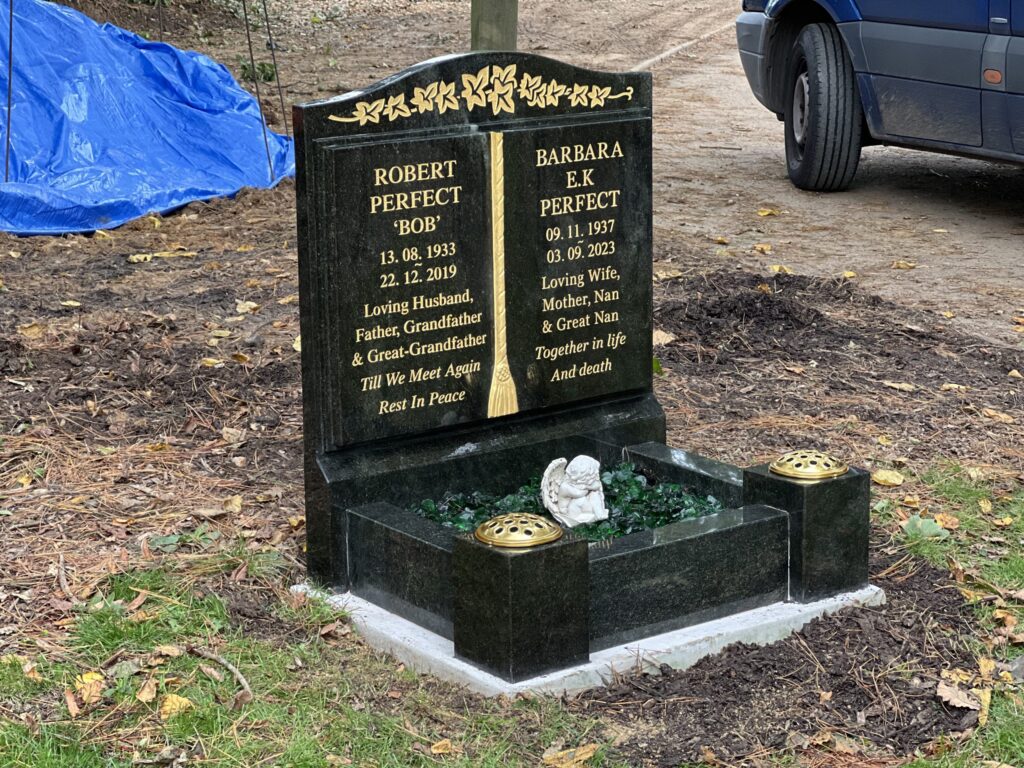
- Forever remembered with love
- Always in our hearts
- Loved beyond words
- A life treasured forever
- Rest peacefully
- Your memory lives on
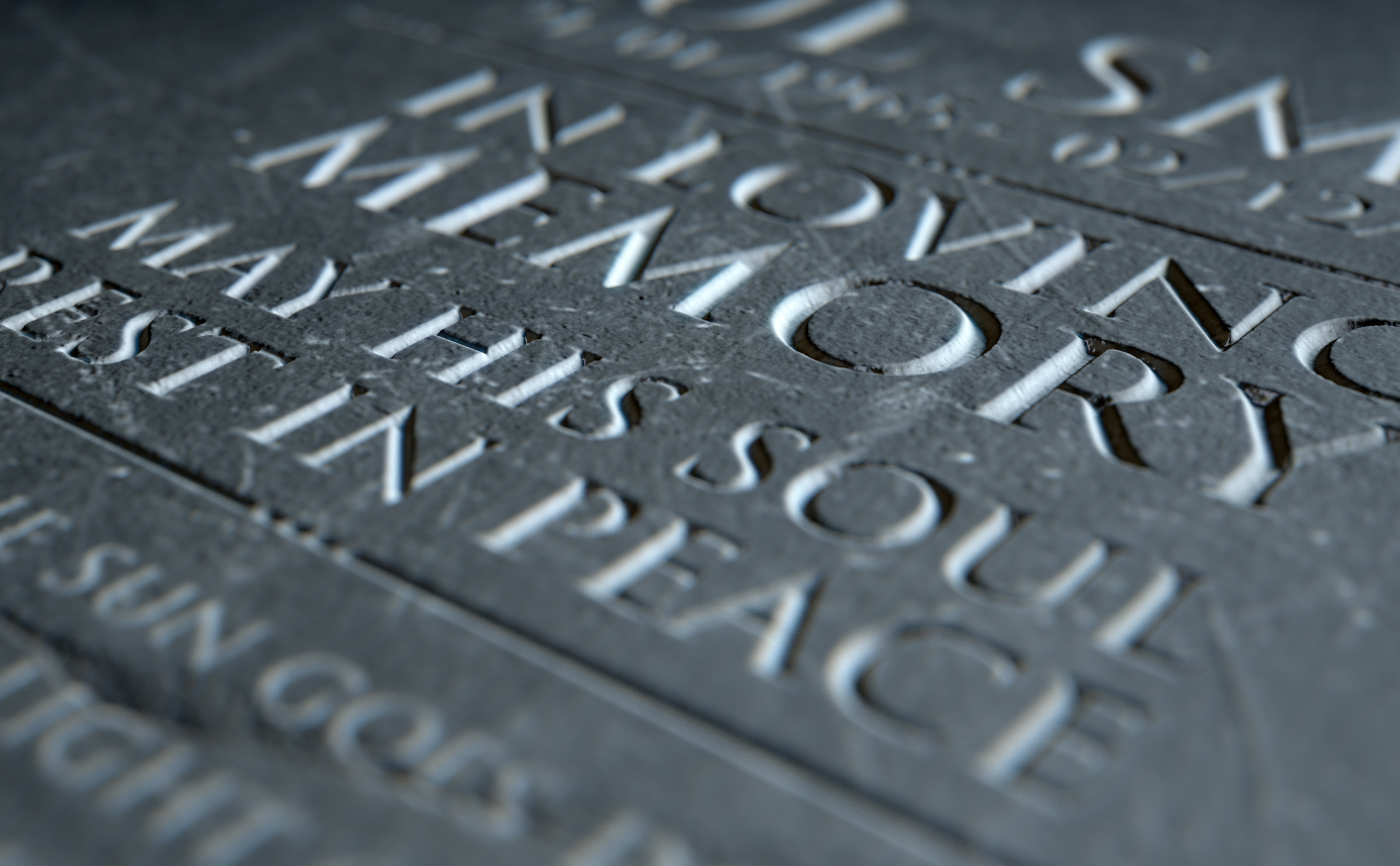
- In loving memory of a cherished soul
Simple wording often creates the most timeless and inclusive result.
Some families also choose inscriptions that reflect personal values or character traits rather than formal religious beliefs.
Are religious quotations appropriate for multi faith memorials?
Yes, in some cases. Many families choose to include religious wording where it reflects the individual being commemorated or where multiple beliefs can comfortably coexist within the design.
Combining traditions thoughtfully
Some memorials may include:
- A Christian verse alongside a non-religious inscription
- Universal prayers recognised across faiths
- Symbols representing both family backgrounds
- Shared spiritual themes such as peace or eternal rest
However, balance is important. The wording should ideally feel respectful to all family members rather than appearing to prioritise one belief system over another unless intentionally chosen.
Avoiding potential difficulties
Highly specific doctrinal phrases may occasionally feel uncomfortable within blended-faith families if not carefully considered.
For this reason, many multi faith memorials favour:
- Neutral spiritual language
- Gentle references to peace or remembrance
- Broad themes of love and continuity
The focus is often placed on the individual’s life and relationships rather than strict religious identity.
What non-religious wording options are available?
Many families now choose entirely non-religious inscriptions, particularly where the individual was secular or where families want a more universally inclusive memorial.
Popular non-religious memorial wording
Common examples include:
- Forever loved and missed
- Memories are ours to keep
- A beautiful life remembered
- Your love remains with us always
- Gone from sight, never from our hearts
- Thank you for every memory
These types of inscriptions focus on emotional connection and remembrance rather than spiritual doctrine.
Personalised wording
Some families also include:
- Favourite sayings
- Song lyrics
- Poetry extracts
- Family phrases
- Personal messages from children or partners
This can help make the memorial feel unique and deeply personal.
Can symbols be used on multi faith memorials?
Yes. Many multi faith memorials incorporate symbolic imagery alongside the wording.
Common symbolic features
Examples include:
- Doves
- Hearts
- Trees
- Flowers
- Stars
- Candles
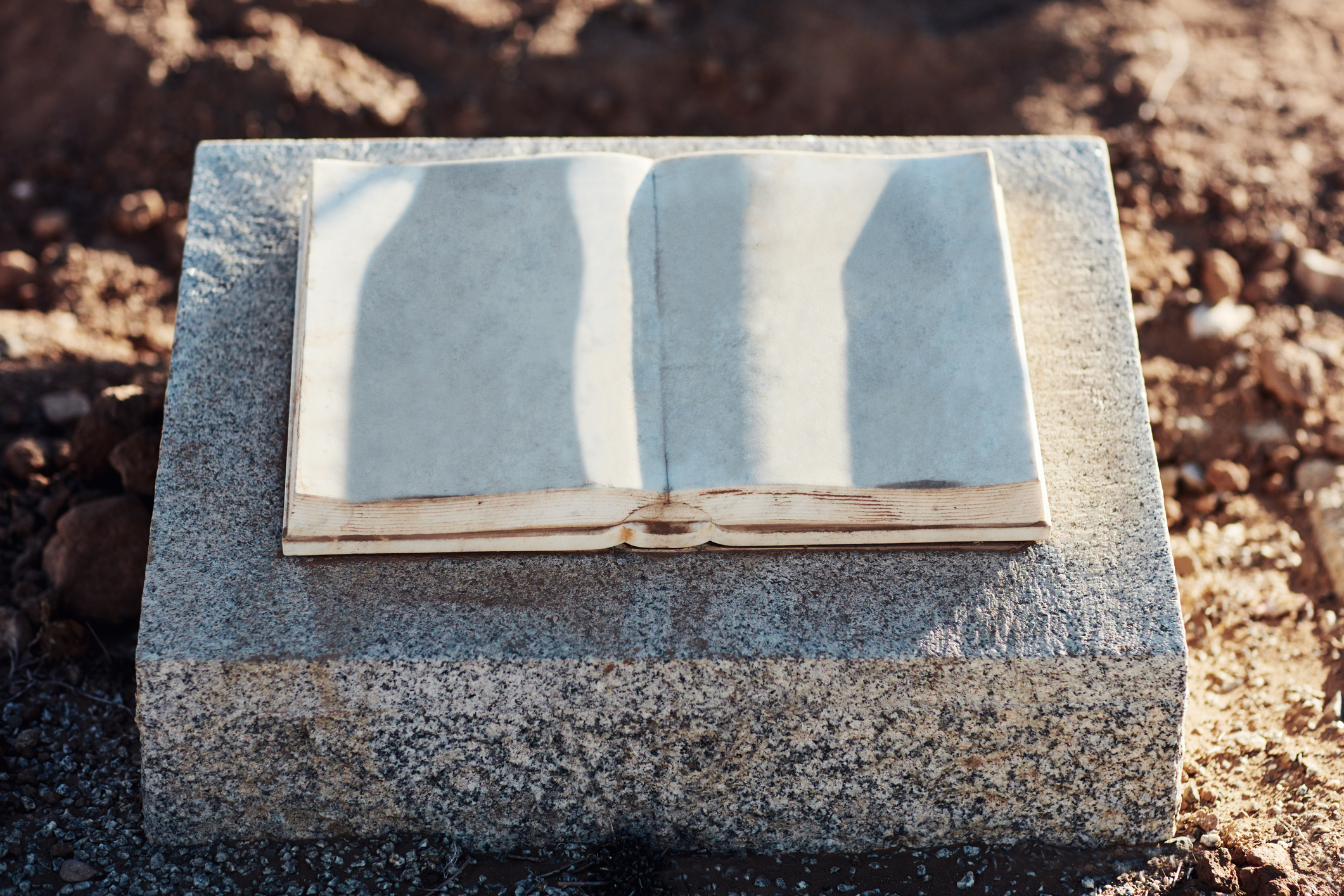
- Open books
- Natural landscapes
These symbols are often chosen because they carry broad meanings associated with remembrance, peace or continuity without belonging exclusively to one faith tradition.
Combining religious symbols
Some memorials may also respectfully combine religious imagery where appropriate, such as:
- Crosses
- Crescents
- Stars of David
- Om symbols
This approach requires careful design to ensure the memorial feels balanced and harmonious rather than visually crowded.
Do cemeteries restrict memorial inscriptions?
Yes. Most cemeteries and churchyards have regulations covering memorial wording and design.
Common inscription restrictions
Rules may apply to:
- Offensive language
- Political statements
- Excessively long inscriptions
- Certain decorative features
- Unapproved religious imagery
Churchyards managed by religious organisations may also have additional guidance regarding wording and symbolism.
Before finalising an inscription, it is important to confirm:
- Character limits
- Approval requirements
- Symbol restrictions
- Language guidelines
Professional monumental masons usually assist families with the approval process.
Guidance on churchyard memorial regulations can be found through Church of England churchyard guidance
How can families choose wording together?
Choosing memorial wording can sometimes feel emotionally difficult, especially within larger or blended families.
Helpful approaches
Families may find it useful to consider:
- What best reflects the individual’s personality
- Which values mattered most to them
- Whether the wording feels timeless
- How future generations may interpret the memorial
- Whether the inscription feels inclusive and respectful
Some families also involve multiple relatives in reviewing wording options before making a final decision.
The most meaningful memorial wording is often sincere and personal rather than elaborate.
Why professional memorial guidance matters
An experienced monumental mason can often help families refine inscriptions so they remain:
- Readable
- Balanced
- Appropriate for the memorial size
- Compliant with cemetery rules
- Visually well-positioned
This guidance can be especially valuable where multiple cultural or religious considerations are involved.
The National Association of Memorial Masons also provides information on memorial standards and professional workmanship. National Association of Memorial Masons
Frequently Asked Questions
Can multi faith memorials include more than one religious symbol?
Yes, where cemetery regulations allow it. Many memorials combine symbols respectfully to reflect blended family backgrounds.
Are non-religious memorial inscriptions becoming more common?
Yes. Many modern memorials now use wording focused on love, remembrance and family rather than formal religious language.
Do cemeteries approve memorial wording before installation?
Usually, yes. Most cemeteries require inscriptions to be approved before the memorial is installed.
Can memorial wording be changed later?
Additional inscriptions can often be added later, although altering existing wording may not always be possible.
How long should a memorial inscription be?
Shorter inscriptions are often more readable and visually balanced, particularly on smaller memorials.
Choosing wording for multi faith memorials involves balancing personal meaning, family sensitivities and respectful remembrance. Whether religious, spiritual or non-religious, the best memorial inscriptions usually focus on the qualities, relationships and memories that mattered most to the person being remembered.
Thoughtful wording combined with careful memorial design can help create a lasting tribute that feels meaningful and inclusive for generations to come.