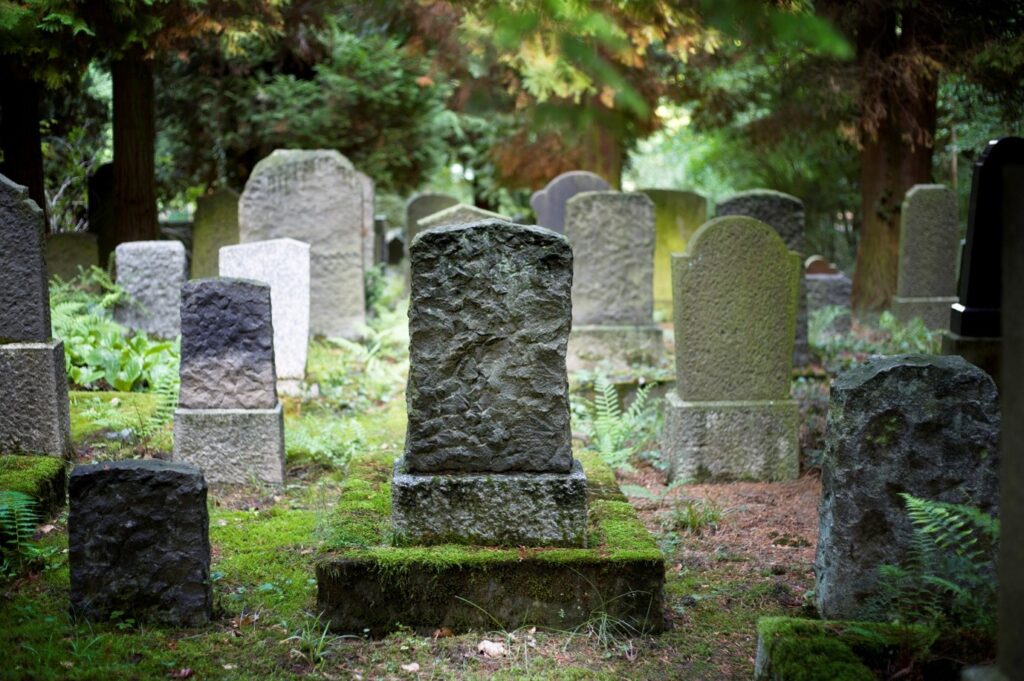
Many families looking for a memorial today want something that feels less formal and more connected to nature. This has led to growing interest in rustic headstones, particularly those featuring natural edges, textured finishes and hand-crafted details.
Rustic memorials often offer a softer and more organic appearance compared to highly polished traditional headstones. Rather than aiming for perfect symmetry and smooth finishes, these memorials embrace the character of natural stone, making each piece feel individual and timeless.
Natural edges and textured finishes can create a memorial that feels calm, understated and deeply personal. However, there are still practical and regulatory considerations that families should understand before choosing this style of memorial.
Supporting Questions
- What are rustic headstones?
- Which natural stone materials work best for rustic memorials?
- Can memorials include rough or natural edges?
- Are textured finishes more difficult to maintain?
- Do cemeteries allow rustic memorial styles?
What are rustic headstones?
Rustic headstones are memorials designed to preserve the natural appearance and texture of the stone rather than heavily polishing or refining it.
They often feature:
- Natural stone edges
- Hand-worked surfaces
- Uneven or organic shapes
- Textured finishes
- Minimal polishing
- Traditional craftsmanship
The overall effect is usually softer and more understated than highly polished granite memorials.
Rustic memorials are often chosen by families who want a tribute that feels:
- Natural
- Individual
- Traditional
- Less formal
- Connected to the landscape
These memorials can suit both modern and historic cemetery settings depending on the material and design.
Which materials work best for rustic memorials?
The stone material plays a major role in achieving an authentic rustic appearance.
Sandstone memorials
Sandstone is commonly used for rustic headstones because of its warm colouring and naturally textured surface.
It often suits:
- Churchyards
- Rural cemeteries
- Heritage settings
- Natural burial grounds
Sandstone can weather attractively over time, developing additional character as the memorial ages.
Limestone memorials
Limestone provides a softer and more traditional appearance with subtle natural texture.
It is frequently selected for:
- Historic churchyards
- Traditional memorial styles
- Hand-carved inscriptions
Its lighter colouring can also help the memorial blend more naturally into countryside or woodland surroundings.
Rustic granite memorials
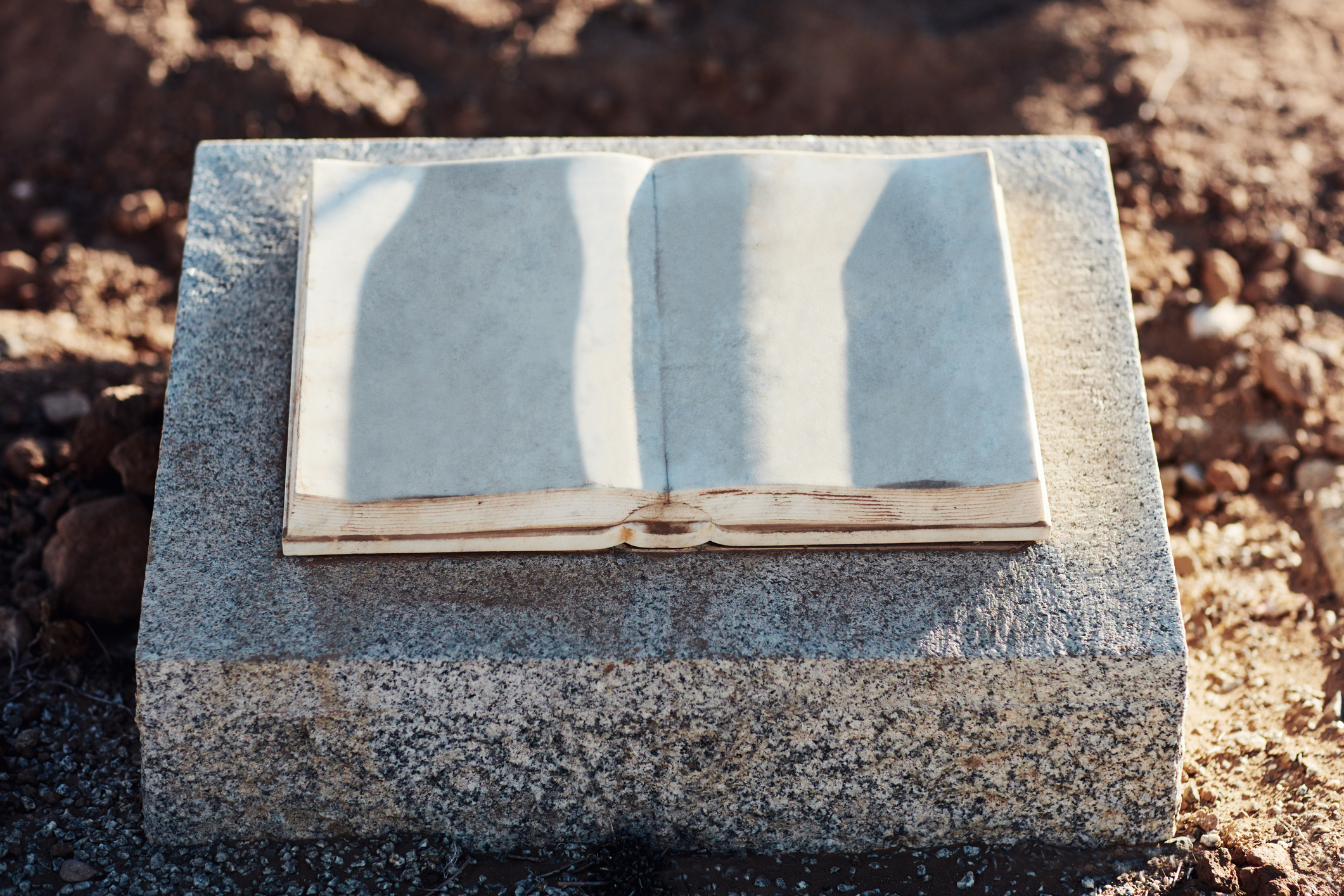
Granite is often associated with polished memorials, but it can also be used in rustic designs.
Some granite memorials feature:
- Rock-pitched edges
- Honed surfaces
- Split-face textures
- Natural rough-cut borders
This allows families to combine the durability of granite with a softer and more natural appearance.
Can rustic headstones include natural edges?
Yes. Natural or rough-cut edges are one of the defining features of many rustic memorial designs.
What are natural edges?
Natural edges are stone borders intentionally left rough or uneven to preserve the original character of the material.
These may include:
- Rock-pitched sides
- Hand-split finishes
- Rough-hewn borders
- Uneven contours
Rather than appearing unfinished, these features are carefully crafted to create a more organic appearance.
Why families choose natural edge memorials
Natural edges can make a memorial feel:
- Less formal
- More unique
- Closer to nature
- Traditionally crafted
- Visually softer
For some families, this style better reflects the personality or values of the individual being remembered.
What textured finishes are available?
Rustic memorials can include several different stone finishes depending on the desired appearance.
Popular textured finishes
Common options include:
- Honed finishes
- Sandblasted surfaces
- Rustic split-face textures
- Hand-tooled stonework
- Natural cleft finishes
These textures help reduce the reflective appearance associated with polished memorials while highlighting the natural qualities of the stone.
Combining polished and rustic elements
Some memorials combine textures for visual contrast, such as:
- Polished inscription panels
- Rustic stone borders
- Smooth lettering sections with rough-cut edges
This balance can help inscriptions remain readable while maintaining the natural overall appearance.
Are rustic headstones harder to maintain?
Not necessarily, although maintenance depends heavily on the material chosen.
Granite rustic memorials
Rustic granite memorials remain highly durable and generally require minimal maintenance despite their textured appearance.
Limestone and sandstone memorials
Natural sedimentary stones may gradually weather and develop moss or lichen more quickly due to their porous surfaces.
Some families appreciate this ageing process because it enhances the memorial’s natural appearance over time.
Cleaning considerations
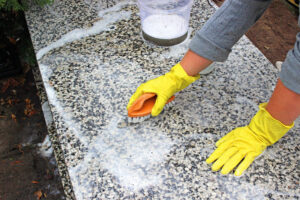
Rustic memorials should generally be cleaned carefully using gentle methods that avoid damaging the stone texture.
Harsh chemicals or pressure washing can sometimes harm softer natural stones.
Guidance on memorial preservation and maintenance can be found through Commonwealth War Graves Commission guidance
Do cemeteries allow rustic memorial styles?
In many cases, yes. Rustic memorials are often welcomed in settings where natural or traditional aesthetics are encouraged.
Locations that often suit rustic memorials
These may include:
- Rural cemeteries
- Churchyards
- Woodland burial grounds
- Heritage memorial areas
- Natural burial sites
Some churchyards may actually prefer natural stone finishes over highly polished modern memorials.
Potential restrictions
However, cemetery regulations may still apply to:
- Memorial dimensions
- Stone materials
- Decorative carvings
- Inscription styles
- Shaped memorials
Before commissioning a rustic memorial, it is important to confirm approval requirements with the cemetery authority.
Can rustic headstones still include personalised details?
Absolutely. Rustic memorials can still incorporate highly personal design elements while maintaining a natural appearance.
Popular personalised features
Examples include:
- Hand-carved lettering
- Nature-inspired carvings
- Floral motifs
- Wildlife imagery
- Religious symbols
- Landscape engravings
These details are often designed in a more understated and handcrafted style than highly polished contemporary memorials.
Hand craftsmanship
Many rustic memorials place strong emphasis on visible craftsmanship.
Hand carving and traditional masonry techniques can add individuality and character that machine-polished memorials sometimes lack.
The National Association of Memorial Masons provides further information on memorial craftsmanship and professional standards. National Association of Memorial Masons
Why are rustic memorials becoming more popular?
Many families are increasingly drawn to memorials that feel authentic, understated and connected to nature.
Rustic memorials often appeal to people seeking:
- Simpler aesthetics
- Natural materials
- Environmental sensitivity
- Traditional craftsmanship
- Less formal remembrance styles
This trend also reflects the growing popularity of woodland burial grounds and natural memorial settings across the UK.
For some families, a rustic memorial simply feels more personal and emotionally fitting than a highly polished modern stone.
How can families choose the right rustic design?
The best rustic memorials usually balance natural character with practical durability.
Families may wish to consider:
- Cemetery regulations
- Stone durability
- Inscription readability
- Weather exposure
- Long-term maintenance
- Desired level of natural texture
A professional monumental mason can usually provide stone samples, finish examples and design guidance to help families visualise the finished memorial before work begins.
Frequently Asked Questions
Are natural edge memorials more expensive?
Costs vary depending on the material and level of hand craftsmanship involved. Hand-finished rustic details can sometimes increase labour costs.
Which stone is best for rustic headstones?
Sandstone, limestone and rustic-finished granite are all popular choices depending on the desired appearance and durability.
Do rustic memorials weather more quickly?
Softer natural stones such as sandstone and limestone may weather more noticeably than granite over time.
Can rustic memorials include polished sections?
Yes. Many designs combine rustic textures with polished inscription panels for readability and contrast.
Are rustic headstones suitable for woodland burial grounds?
Yes. Rustic memorials are often especially well suited to natural and woodland burial environments.
Rustic headstones with natural edges and textured finishes can create a thoughtful and highly individual style of remembrance that feels timeless, understated and connected to the natural environment. Whether using sandstone, limestone or rustic-finished granite, these memorials offer families an alternative to more formal polished designs while still providing durability and lasting significance.
Careful material selection and skilled craftsmanship can help ensure the memorial remains both beautiful and appropriate for its setting for many years to come.