
Choosing a memorial for a loved one is a significant and emotional decision. While families often focus on the appearance of the memorial itself, the experience and guidance provided by the monumental mason are equally important.
A well-made memorial is designed to last for generations, which means material quality, craftsmanship, safety standards and cemetery compliance all matter. Asking the right questions before ordering can help families avoid unnecessary stress, unexpected costs or future maintenance issues.
Many people arrange a memorial for the first time following a bereavement and may not know what to expect from the process. Understanding what to discuss with a monumental mason can help families feel more confident and informed throughout the decision-making process.
Supporting Questions
- What does a monumental mason do?
- How can you check the quality of memorial materials?
- What questions should you ask about cemetery regulations?
- Why are installation standards important?
- What should families understand about memorial maintenance?
What does a monumental mason do?
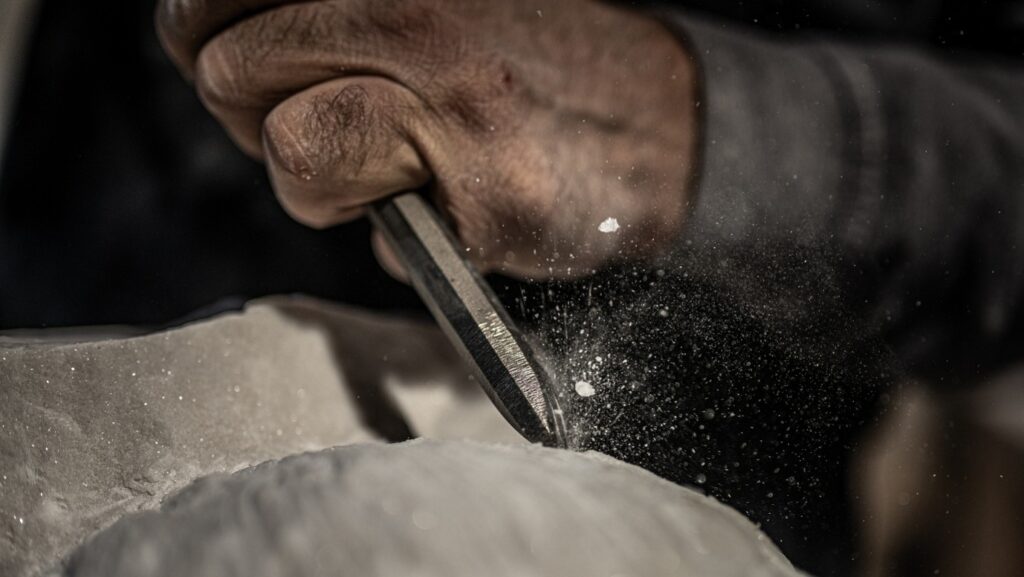
A monumental mason specialises in the design, creation and installation of memorials such as:
- Headstones
- Kerb sets
- Cremation memorials
- Plaques
- Memorial benches
- Bespoke stone memorials
Their role often includes:
- Helping families choose materials and designs
- Advising on cemetery regulations
- Creating inscriptions
- Producing design proofs
- Installing the memorial safely
- Managing applications and permissions
An experienced monumental mason should guide families through the process clearly and professionally rather than simply selling a product.
What experience and qualifications should you ask about?
One of the first things worth asking is whether the monumental mason belongs to recognised professional organisations.
Relevant accreditations
In the UK, reputable memorial masons are often associated with organisations such as:
- BRAMM
- NAMM
- Local guilds or trade associations
These organisations promote professional standards, memorial safety and appropriate installation practices.
You can learn more about memorial safety standards through BRAMM memorial standards
Questions families may wish to ask
Useful questions include:
- How long have you been creating memorials?
- Are your installers accredited?
- Do you handle cemetery applications?
- Can you provide examples of previous work?
- What guarantees are included?
A reputable monumental mason should answer these questions openly and clearly.
How can you check the quality of memorial materials?
Not all memorial stones are equal in quality, even when they appear visually similar at first.
Questions about stone materials
Families may wish to ask:
- What type of stone is being used?
- Where does the material come from?
- How durable is the stone outdoors?
- Is the memorial hand-finished or machine-finished?
- Which finish is most suitable for the cemetery setting?
Understanding the material helps families balance appearance, durability and maintenance expectations.
Why material quality matters
Lower-quality stone can sometimes lead to:
- Faster weathering
- Staining
- Fading inscriptions
- Structural problems
- Surface cracking
Granite is commonly recommended for its durability, although limestone, sandstone and marble may suit certain churchyards or heritage settings better.
An experienced monumental mason should explain the advantages and limitations of each material honestly.
What should you ask about cemetery regulations?
Cemetery and churchyard regulations can significantly affect memorial choices.
Important questions to ask
Families should confirm:
- What memorial sizes are permitted?
- Are certain colours or materials restricted?
- Are shaped memorials allowed?
- Can photo plaques or ornaments be included?
- Does the cemetery allow kerb sets?
Some churchyards have particularly strict rules regarding polished granite or highly decorative memorials.
Why regulation guidance matters
Ordering a memorial without understanding local rules can lead to:
- Delayed approvals
- Additional redesign costs
- Rejected applications
- Installation problems
Professional monumental masons usually manage the approval process and ensure the memorial complies with local regulations before production begins.
Guidance on churchyard memorial rules is also available through Church of England memorial guidance
Why are installation standards important?
The safety and stability of a memorial are just as important as its appearance.
Questions about installation
Families should ask:
- How will the memorial be fixed?
- Are approved fixing systems used?
- Does installation comply with current safety standards?
- What foundations are included?
- Is the installation guaranteed?
Modern memorials should be securely installed using tested fixing systems designed to reduce future safety risks.
The importance of proper fixing
Poor installation can eventually lead to:
- Leaning memorials
- Structural instability
- Safety hazards
- Costly repairs
A properly installed memorial should remain stable and secure for many years.
What should families know about inscriptions and designs?
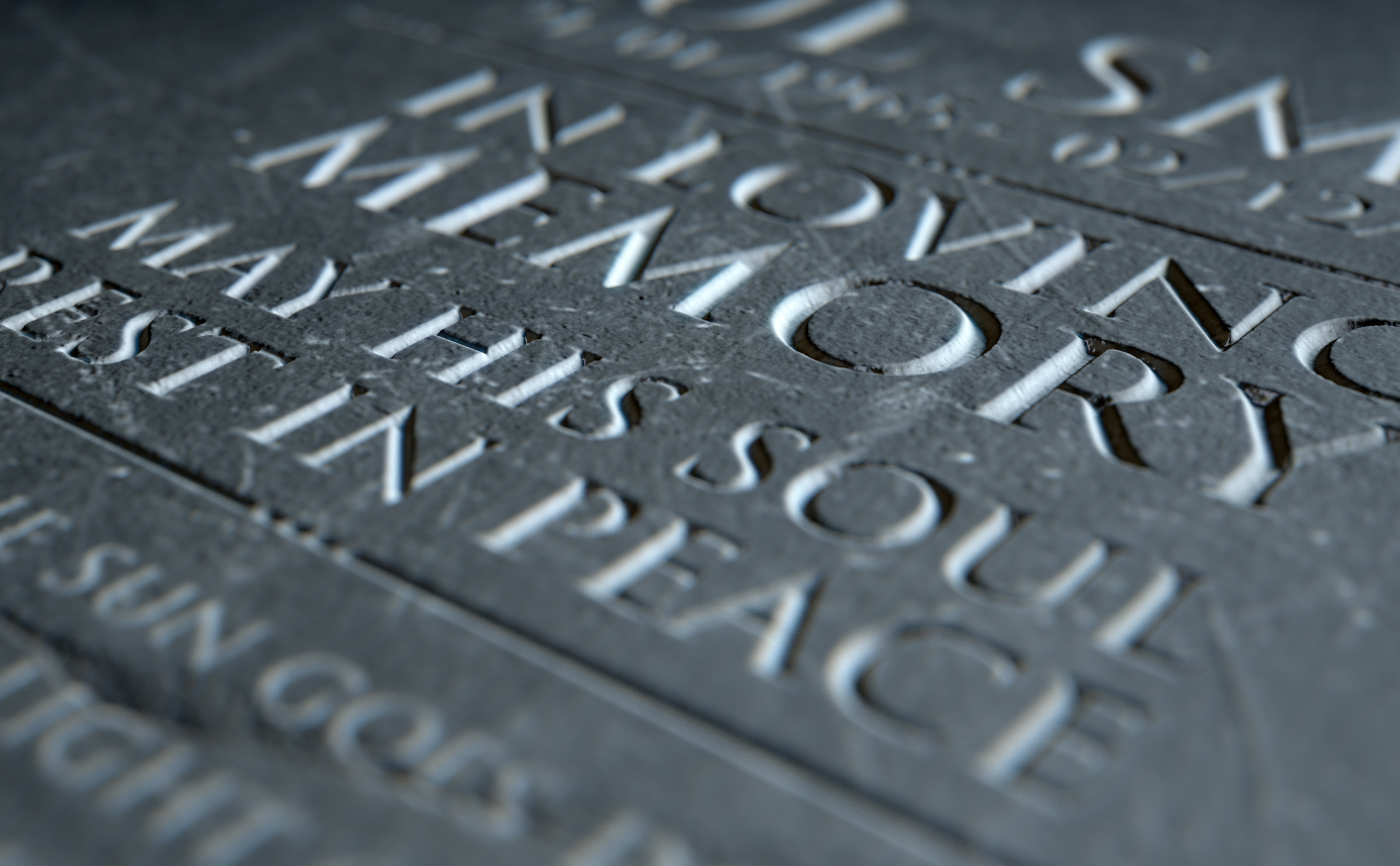
The inscription is often the most meaningful part of a memorial, so families should take time discussing wording and layout carefully.
Questions about inscriptions
Helpful questions include:
- How many letters are included in the quoted price?
- Which lettering styles are available?
- Will a proof be provided before carving?
- What finishes are available for lettering?
- Can additional inscriptions be added later?
Good monumental masons will normally provide layout proofs to ensure families are comfortable with the wording and design before work begins.
Personalisation options
Families may also ask about:
- Hand carving
- Religious symbols
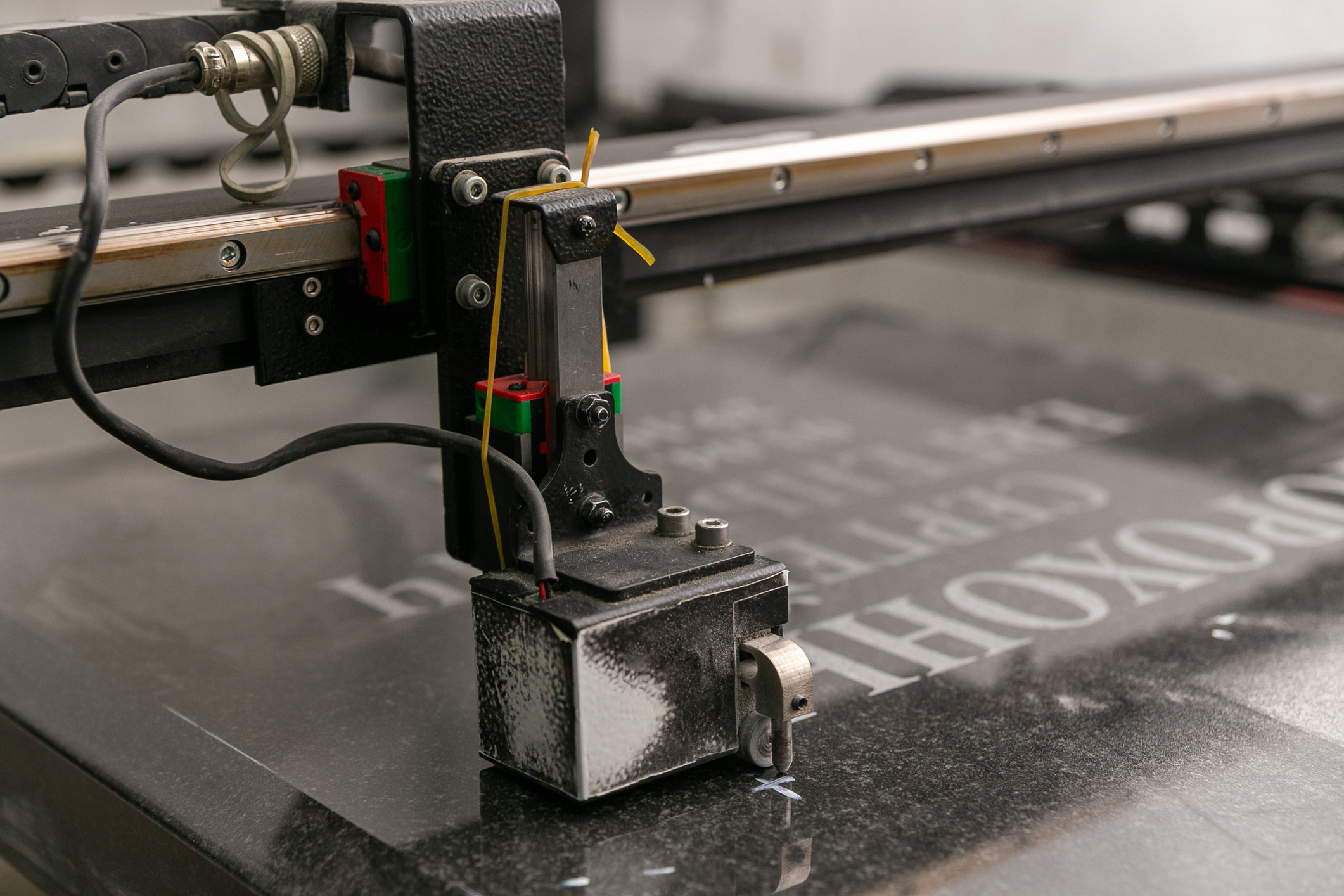
- Laser etching
- Photo plaques
- Floral carvings
- Bespoke shapes
Personalisation should remain balanced and appropriate for the cemetery setting.
What should you ask about long-term maintenance?
Memorials naturally weather over time, so it is important to understand what maintenance may be required.
Questions about upkeep
Families may wish to ask:
- How should the memorial be cleaned?
- Will the stone require resealing?
- How durable is the lettering?
- Does the company offer restoration services?
- What weathering should be expected over time?
Granite memorials generally require less maintenance than softer stones such as marble or limestone.
Understanding maintenance expectations helps families choose a memorial that remains manageable long term.
Why is seeing examples of previous work important?
Photographs and showroom displays can help families assess the mason’s craftsmanship and design quality.
What to look for
Pay attention to:
- Lettering quality
- Stone finish consistency
- Symmetry and shaping
- Installation neatness
- Design balance
A good monumental mason should be able to demonstrate experience across different memorial styles and cemetery settings.
The National Association of Memorial Masons also provides information about professional memorial workmanship. National Association of Memorial Masons
How can families avoid feeling pressured?
Memorial decisions are highly emotional, and families should never feel rushed into choosing a design or material.
A professional monumental mason should:
- Explain options clearly
- Provide transparent pricing
- Respect family preferences
- Offer practical guidance without pressure
- Allow time for consideration
The best memorials are usually created through careful discussion and thoughtful decision-making rather than quick sales conversations.
Frequently Asked Questions
How long does it take to order and install a memorial?
Timescales vary depending on cemetery approvals, stone availability and design complexity. The process may take several weeks or months.
Should monumental masons provide written quotes?
Yes. Written quotations should clearly explain costs, materials, installation and any additional charges.
Can memorials be personalised later?
Additional inscriptions or features can often be added later depending on the memorial design and available space.
Are cheaper memorials lower quality?
Not always, but extremely low prices may sometimes reflect lower-quality materials or installation methods.
Do monumental masons handle cemetery paperwork?
Many professional monumental masons manage memorial applications and approvals on behalf of families.
Choosing a monumental mason is about more than simply selecting a headstone. Families are placing trust in someone to create a lasting tribute that reflects the life and memory of a loved one with care, professionalism and craftsmanship.
Asking thoughtful questions about materials, regulations, installation and maintenance can help ensure the memorial remains safe, appropriate and meaningful for generations to come.