Choosing a cemetery headstone for a loved one is one of the most personal decisions families make after a bereavement. A memorial is far more than a marker. It becomes a lasting tribute that reflects a person’s life, personality, beliefs and the memories they leave behind.
Many families are unsure where to begin. Questions around materials, styles, cemetery regulations, inscriptions and long-term durability can make the process feel overwhelming during an already difficult time. Understanding the options available can help you make a thoughtful and informed decision that feels appropriate both emotionally and practically.
Supporting Questions
- What types of cemetery headstones are available?
- Which headstone materials last the longest?
- How do cemetery regulations affect your choices?
- What should you consider when choosing inscriptions and designs?
- How can you balance appearance, durability and budget?
What types of cemetery headstones are available?
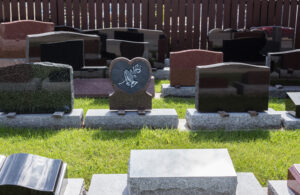
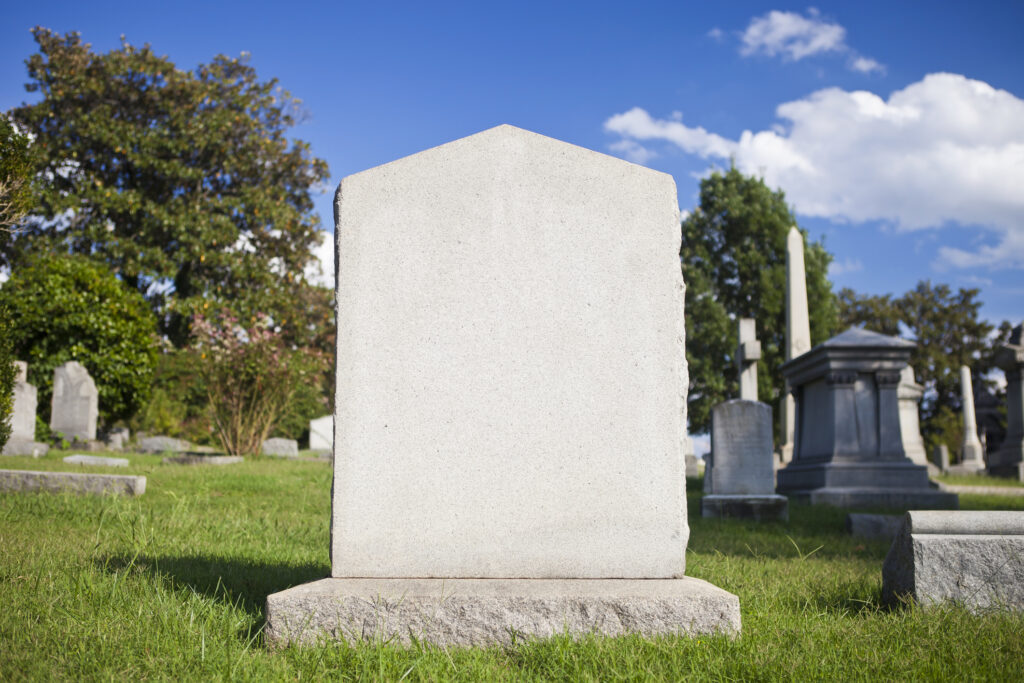
Cemetery headstones come in a wide variety of shapes, sizes and styles. The most suitable option often depends on the cemetery rules, personal preferences and the type of memorial you feel best reflects your loved one.
Common memorial styles include:
- Traditional upright headstones
- Lawn memorials
- Kerb set memorials
- Heart-shaped memorials
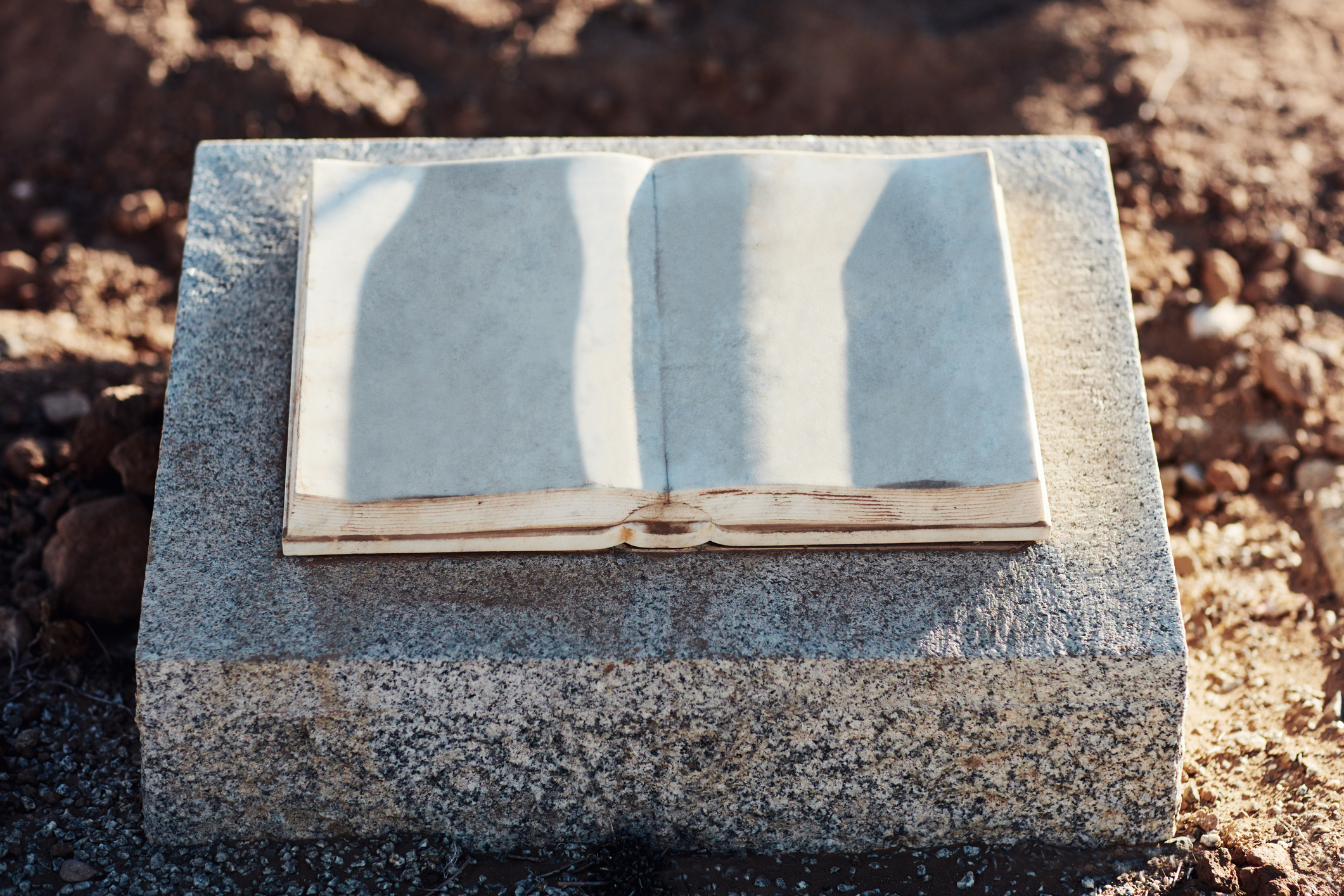
- Book memorials
- Cremation memorial stones
- Rustic or natural stone memorials
Traditional upright memorials remain one of the most popular choices in UK cemeteries because they offer space for inscriptions while maintaining a timeless appearance. Lawn memorials are often selected where cemetery regulations require smaller or more uniform memorial sizes.
More personalised designs have become increasingly common in recent years. Families may choose shaped memorials, carved details, photo plaques or decorative features that reflect hobbies, faith or personality.
The right choice often comes down to balancing individuality with practicality and cemetery requirements.
Which headstone materials last the longest?
The material used for a cemetery headstone has a significant impact on appearance, maintenance and longevity.
Granite memorials
Granite is one of the most durable materials available for memorials. It is highly resistant to weathering, staining and erosion, making it especially suitable for long-term outdoor use in the British climate.
Granite is available in a wide range of colours including black, grey, blue, red and green. Polished granite also provides excellent contrast for inscriptions and decorative detailing.
Benefits of granite include:
- Long-lasting durability
- Low maintenance
- Strong resistance to weather
- Wide choice of finishes and colours
Marble memorials
Marble memorials offer a classic and elegant appearance, often associated with older churchyards and historic cemeteries. However, marble is softer than granite and can gradually weather over time.
Inscriptions on marble may become harder to read after many years due to exposure to rain and pollution.
Limestone and sandstone
Natural stones such as limestone and sandstone can create softer, traditional appearances that suit older church settings. These materials are often selected for rustic or heritage-style memorials.
However, they generally require more maintenance and may weather more quickly than granite.
The National Association of Memorial Masons provides additional guidance on suitable memorial materials and industry standards. National Association of Memorial Masons
How do cemetery regulations affect your choices?
One of the most important factors when selecting a cemetery headstone is understanding local cemetery regulations.
Different cemeteries, churchyards and memorial gardens may have strict rules regarding:
- Maximum memorial sizes
- Approved materials
- Permitted colours
- Headstone shapes
- Kerb set restrictions
- Decorative items and photo plaques
Churchyards managed by the Church of England often have tighter controls than municipal cemeteries, particularly regarding polished black granite or highly decorative designs.
Before ordering a memorial, it is important to confirm:
- The cemetery’s permitted dimensions
- Whether certain materials are restricted
- Approval requirements for inscriptions
- Installation regulations
- Foundation requirements
An experienced monumental mason will normally guide families through this process and handle applications on their behalf.
The Church of England also provides guidance on churchyard memorial regulations. Church of England churchyard guidance
What should you consider when choosing inscriptions and designs?
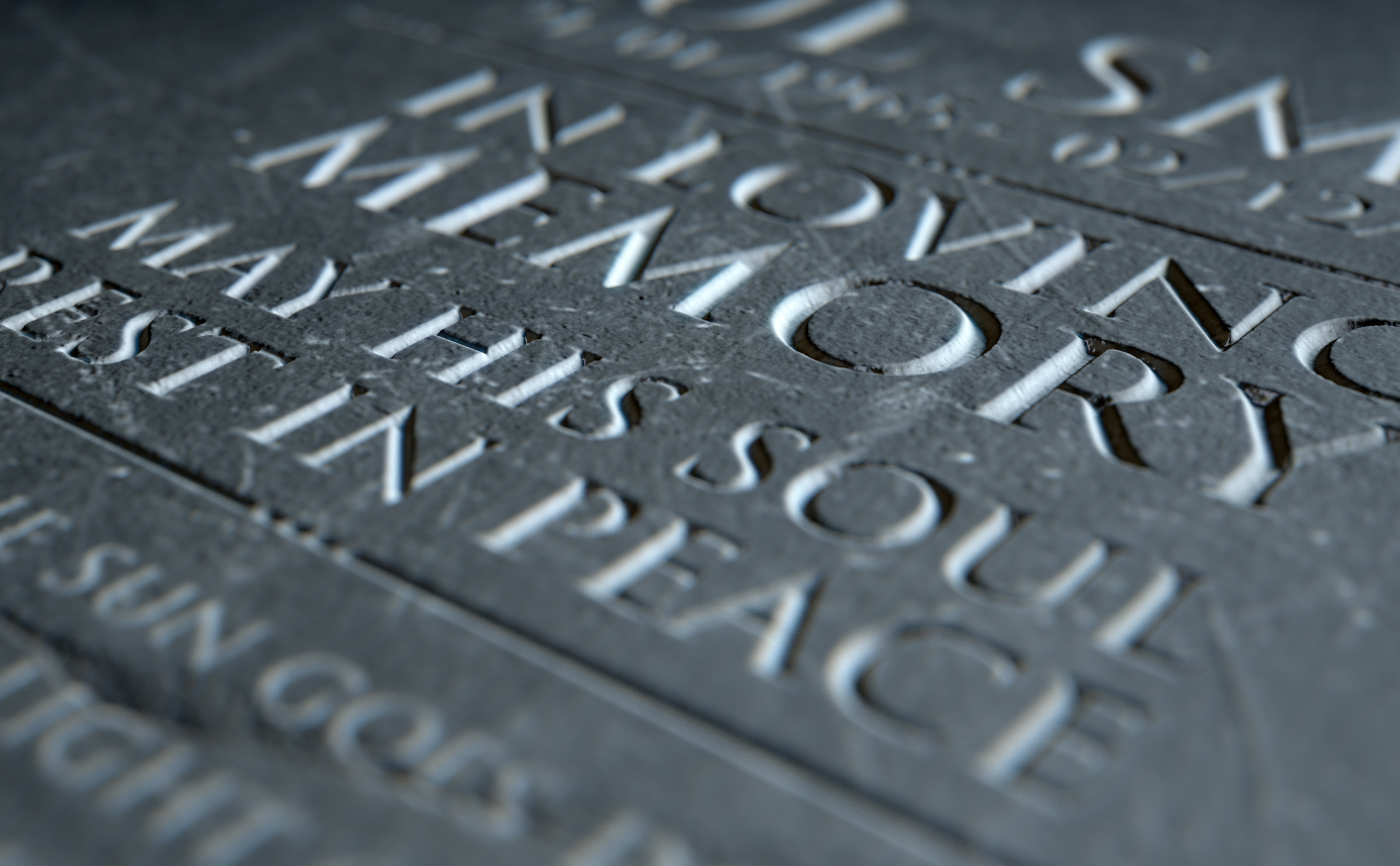
The inscription is often the most meaningful part of a memorial. It serves as a lasting expression of remembrance and should feel personal and appropriate to the individual being commemorated.
Many families choose:
- Traditional memorial wording
- Religious verses
- Poems or quotations
- Personal messages
- Nicknames or family phrases
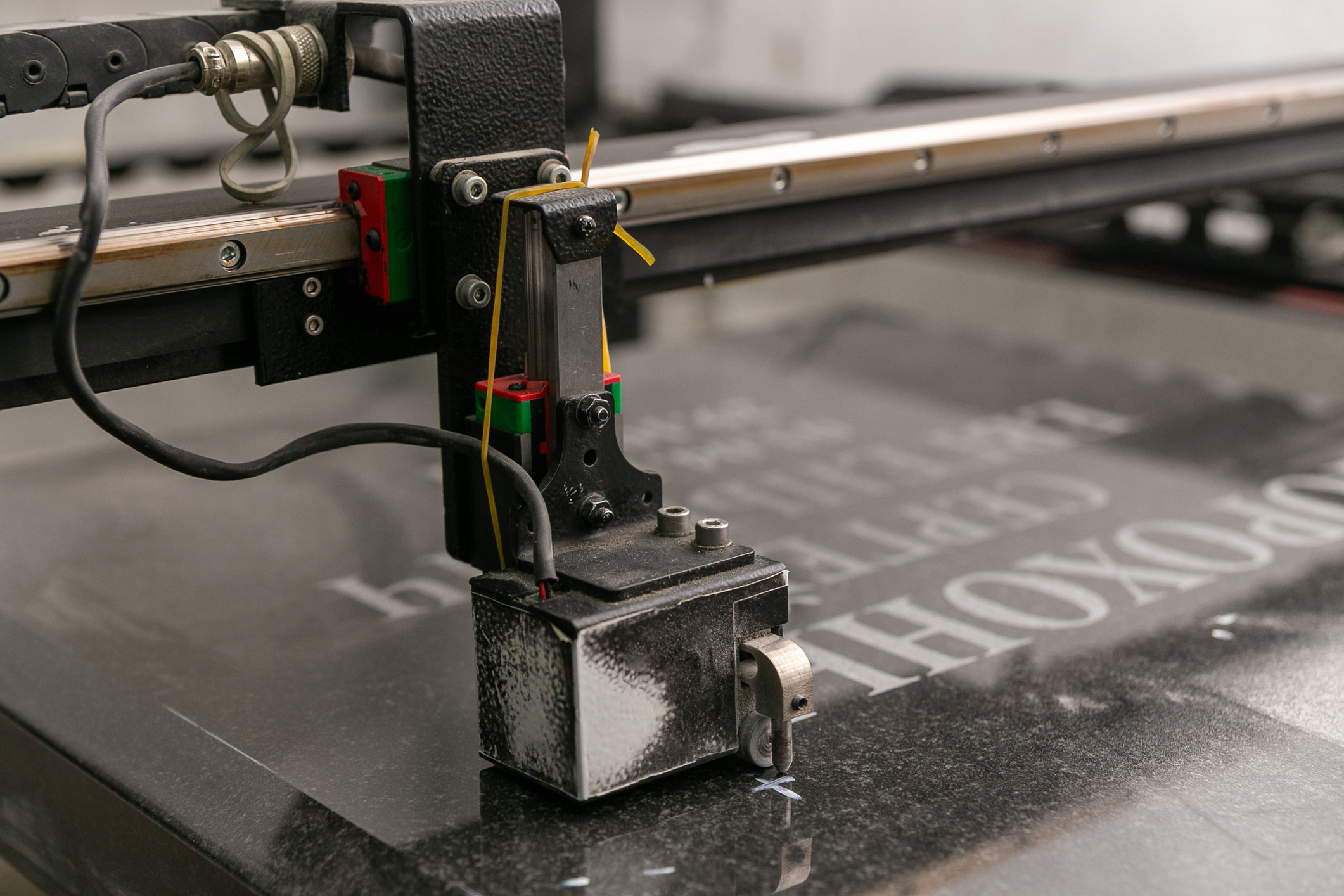
The amount of text possible will depend on the size of the memorial and the chosen font style.
Choosing a font
Lettering styles can significantly affect the appearance of a memorial. Traditional serif fonts are commonly used because they remain clear and readable over time. Hand-carved inscriptions may also provide a more bespoke appearance.
Gold, silver and white lettering are popular choices depending on the stone colour and finish.
Adding personal features
Modern memorials can include a range of personalised details including:
- Floral carvings
- Religious symbols
- Military badges
- Sports or hobby imagery
- Etched artwork
- Ceramic photo plaques
The goal is usually to create something personal without overwhelming the design. Subtle details often create the most timeless results.
How can you balance appearance, durability and budget?
Budget understandably plays an important role when choosing a cemetery headstone, but focusing only on initial cost can sometimes lead to issues later.
The cheapest option may not always offer the best long-term value if the memorial requires additional maintenance or replacement work in future years.
Factors that influence cost
Several elements affect the final price of a memorial:
- Stone material
- Memorial size
- Level of carving or detailing
- Installation requirements
- Additional features such as kerb sets or photo plaques
- Lettering quantity and style
Granite memorials often represent strong long-term value because they require less maintenance and generally retain their appearance for many decades.
Thinking long term
When selecting a memorial, it can help to consider:
- How the stone will weather over time
- Ease of maintaining inscriptions
- Suitability for the cemetery setting
- Whether the design will still feel appropriate in future years
Simple, well-crafted memorials often age more gracefully than highly trend-driven designs.
Why craftsmanship matters when choosing a memorial
A memorial is intended to last for generations, which makes craftsmanship extremely important.
Experienced monumental masons can help ensure:
- The memorial complies with cemetery regulations
- Materials are suitable for long-term use
- Lettering remains clear and balanced
- Foundations are installed safely
- The design reflects the family’s wishes appropriately
Good memorial design is rarely about creating the largest or most elaborate headstone. Often, the most meaningful memorials are those that combine thoughtful design with high-quality workmanship.
Families should feel comfortable asking questions throughout the process and reviewing material samples, lettering styles and design proofs before work begins.
Frequently Asked Questions
How long does it take to install a cemetery headstone?
Installation times vary depending on cemetery approvals and stone availability. In many cases, the process can take several weeks or months after ordering.
What is the most durable material for a cemetery headstone?
Granite is widely considered one of the most durable memorial materials due to its resistance to weathering and low maintenance requirements.
Can you add inscriptions to an existing headstone later?
Yes. Additional inscriptions can often be added later, particularly for companion memorials or family graves.
Are photo plaques allowed on cemetery headstones?
Some cemeteries permit ceramic photo plaques, while others restrict them. Approval requirements vary between locations.
Do all cemeteries allow kerb set memorials?
No. Many modern lawn cemeteries restrict full kerb sets to simplify maintenance and create a more uniform appearance.
Choosing the right cemetery headstone is ultimately about creating a respectful and lasting tribute that feels appropriate for your loved one and their memory. Taking time to consider materials, regulations, design and craftsmanship can help families make a confident and meaningful decision during a difficult time.
For guidance on memorial styles, materials and bespoke designs, families can speak with an experienced monumental mason who can explain the available options and help ensure the memorial is both personal and suitable for the chosen cemetery.