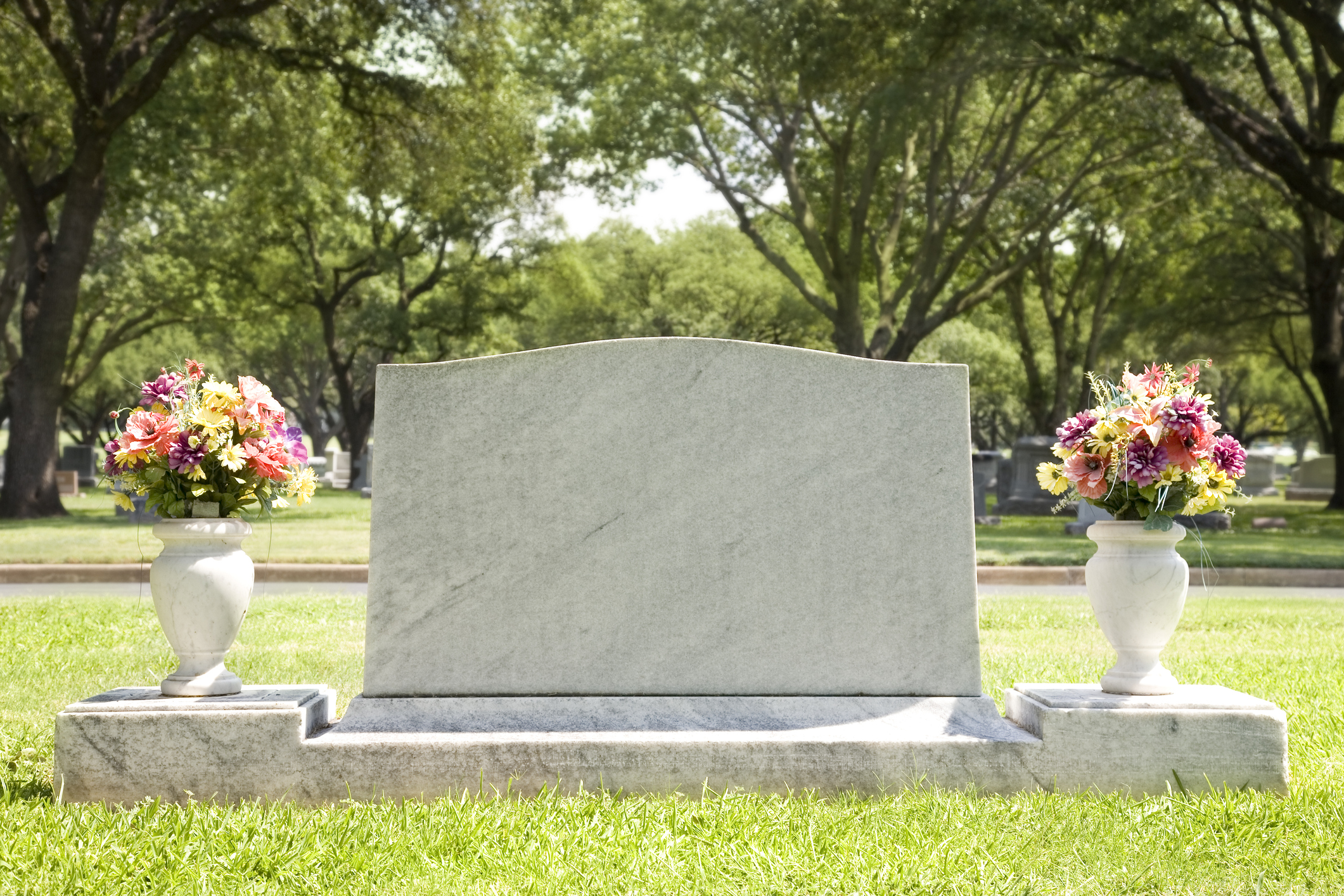

Choosing the right material for cremation memorial stones involves balancing appearance, durability, maintenance and the requirements of the location where the memorial will be placed. Although cremation memorials are often smaller than traditional cemetery headstones, they are exposed to many of the same environmental conditions and need to remain suitable for their setting over time.
Granite is generally one of the most practical choices for an outdoor cremation memorial because of its strength, weather resistance and relatively low maintenance requirements. However, marble, slate, limestone and other natural stones can also be appropriate, particularly where a traditional appearance or particular style is preferred.
The best choice is not necessarily the hardest or most expensive material. A small memorial positioned in a sheltered churchyard may have different requirements from a plaque exposed to rain and sunlight in an open cemetery.
Understanding these differences can help families choose a memorial that reflects their loved one while remaining practical for its intended location.
Which Materials Are Commonly Used for Cremation Memorial Stones?
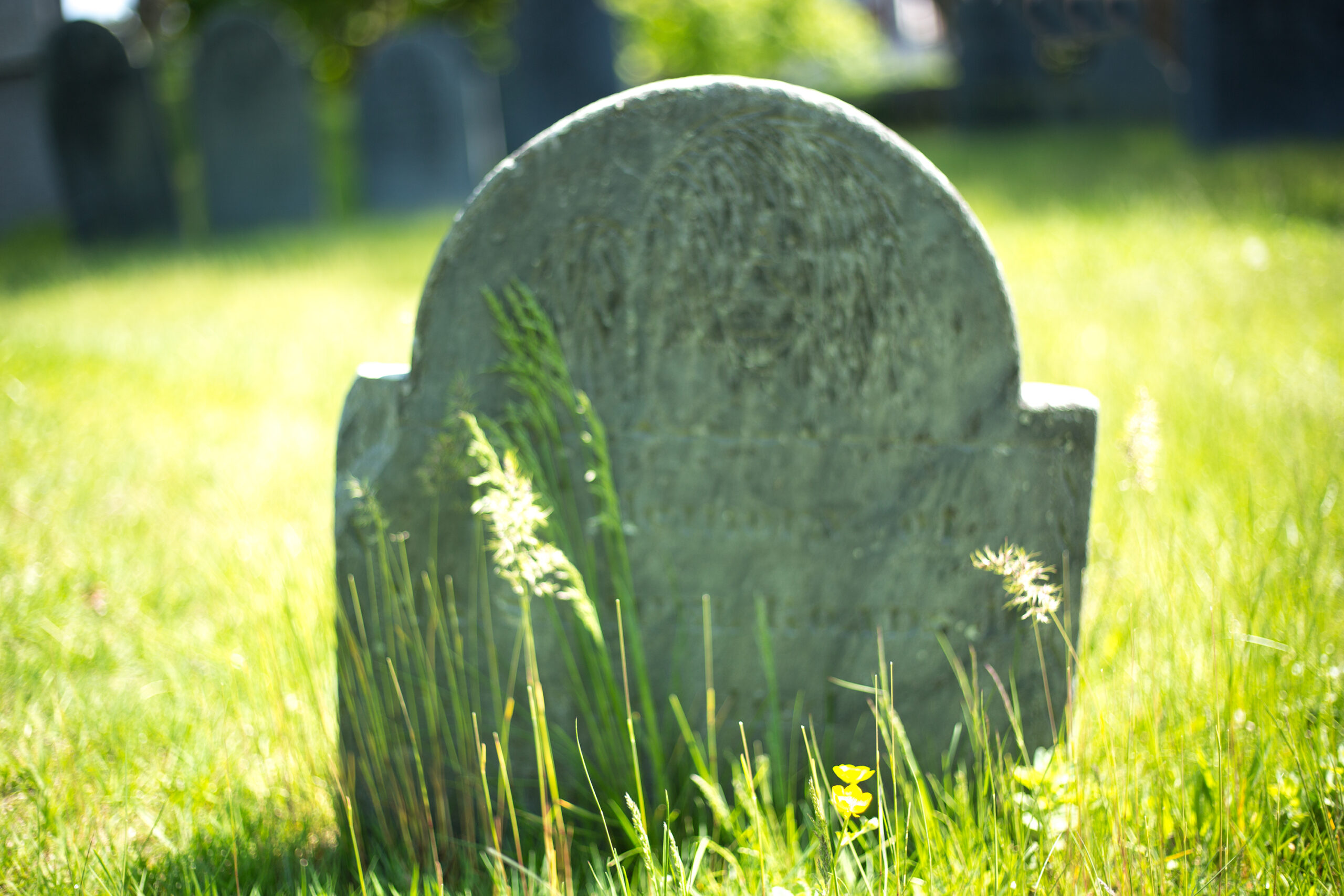
Cremation memorials can take several forms, including small upright headstones, flat tablets, sloping plaques and compact kerb-style designs.
Each style places slightly different demands on the material.
A flat memorial may be exposed to standing water, fallen leaves and soil deposits, while an upright stone is more likely to shed rainwater naturally. Sloping memorials offer a compromise, allowing inscriptions to be read more comfortably while maintaining a relatively compact profile.
Somerville Stone works with natural memorial materials including granite, marble, slate, York stone and limestone. These offer different appearances and practical qualities, although the suitability of each depends on the memorial design and burial ground requirements.
The main considerations are resistance to weathering, the visibility of inscriptions, maintenance and whether the stone can be worked into the desired shape.
Why Is Granite a Popular Choice for Cremation Memorials?
Granite is particularly well suited to cremation memorials intended for long-term outdoor use.
It is a hard, crystalline natural stone with good resistance to everyday weathering. Unlike marble and limestone, granite is not primarily composed of calcium carbonate, making it considerably less vulnerable to the effects of mildly acidic rainwater.
For families looking for a lasting memorial that requires relatively little attention, granite is often a sensible starting point.
Durability in exposed locations
A cremation memorial placed in an open cemetery may experience frequent rainfall, winter frost, summer sunshine and seasonal temperature changes.
Granite generally performs well under these conditions when the material has been appropriately selected, finished and installed.
Its durability is particularly useful for small flat tablets and plaques, where the stone may have prolonged contact with moisture or accumulated debris.
That does not mean granite is completely maintenance-free. Dirt, algae and other deposits can still develop, particularly in shaded or damp locations.
However, its relatively dense surface and resistance to chemical weathering make it a practical option for many outdoor memorials.
Colour and finish options
Granite is available in a broad range of natural colours, including black, grey, blue-grey, red and pink.
Colour selection can influence both the memorial’s appearance and the way its inscription is presented.
For example, polished black granite can provide a contrasting background for light-coloured lettering or certain types of engraved artwork. Grey granite may offer a more understated appearance that complements traditional cemetery surroundings.
The finish also matters.
Polished granite can provide a smooth, reflective surface, while honed or other less reflective finishes create a different visual character.
Some churchyards restrict highly polished materials, so the chosen finish should be approved before manufacture.
Are there disadvantages to granite?
Granite’s hardness means that some forms of detailed traditional carving can be more demanding than working with softer stones.
It is also important to remember that different granites vary in colour, grain structure and appearance. Samples should be examined before making a final decision.
For many families, however, the combination of durability, inscription flexibility and relatively straightforward maintenance makes granite an attractive material for a cremation memorial.
Is Marble Suitable for Cremation Memorial Stones?
Marble offers a softer, more traditional appearance than polished granite.
Its natural veining and pale colouring can create an elegant memorial, particularly where the design includes classical details, hand-cut inscriptions or decorative carving.
Marble has been used for church monuments and memorial stonework for centuries, demonstrating its longstanding association with remembrance.
However, it requires more careful consideration for outdoor use.
How does marble weather outdoors?
Marble is primarily composed of calcium carbonate minerals.
These minerals can react with acidic substances, including atmospheric pollution carried by rainwater.
Over time, the surface may become less smooth, lose some of its original finish or develop visible signs of weathering.
Engraved lettering and fine carved details can also become less distinct as the surface gradually deteriorates.
This does not mean that marble is unsuitable for every outdoor cremation memorial. It means families should understand how its appearance may change.
A traditional marble plaque in an appropriate churchyard setting may be an entirely reasonable choice, especially where its natural ageing is accepted as part of the material’s character.
When might marble be preferable to granite?
Marble may be preferred when the intended memorial has a classical design or requires particular carved features.
It can also be appropriate where the surrounding burial ground contains predominantly traditional stone memorials.
Families who favour marble should consider the maintenance implications rather than choosing the material purely from its appearance in a showroom.
For a highly exposed memorial where minimal maintenance is a priority, granite would generally be the more practical option.
What Makes Slate a Good Material for Cremation Memorials?
Slate offers a distinctive alternative to granite and marble.
Its naturally layered structure produces a fine-grained appearance, often in shades of grey, blue-grey or darker charcoal.
Slate can be particularly attractive for understated cremation plaques and memorial tablets.
Appearance and lettering
One of slate’s appealing qualities is the contrast that can be achieved between its surface and carefully cut lettering.
A simple inscription on a well-finished piece of slate can create an elegant memorial without elaborate decoration.
Slate can also suit contemporary designs where clean lines and restrained detailing are preferred.
For a small cremation memorial, these qualities can be especially useful because there may be limited space for lettering.
How durable is slate?
Good-quality slate can perform well outdoors, and the material has a long history of use in British architectural and memorial stonework.
However, not all slate is identical.
Its durability depends on its geological composition, quality and the way it is worked.
Because slate has a layered structure, the orientation of the stone and the treatment of its edges are important.
Lower-quality or unsuitable material may be more vulnerable to separation along natural layers.
Families considering slate should therefore discuss the particular stone being supplied rather than assuming all slate memorials offer the same performance.
Are Limestone and Sandstone Suitable for Cremation Memorials?
Limestone and sandstone are associated with traditional British stonework and can create attractive, understated memorials.
Both are available in natural tones that may complement older cemeteries and churchyards.
However, they should be assessed carefully because their durability varies substantially according to the particular stone.
Limestone cremation memorials
Limestone typically offers cream, buff or grey tones, depending on its geological origin.
It can be worked into traditional shapes and is suitable for certain carved details.
Like marble, limestone is primarily composed of calcium carbonate, meaning acidic rainwater can gradually affect its surface.
Some limestones are also relatively porous, making them more susceptible to moisture-related problems.
For a cremation memorial, the selected variety must be suitable for outdoor use and any particular exposure conditions.
Sandstone and York stone
Sandstone can provide a natural, traditional appearance with warm, earthy colouring.
York stone, a type of sandstone associated with historic British building and paving, is one of the natural materials included in Somerville Stone’s memorial offering.
Suitable sandstone can be used for external memorials, although individual varieties differ in strength, porosity and resistance to weathering.
The surface may also develop biological growth or become discoloured with exposure.
Where sandstone is selected, it is particularly important to obtain advice on the material’s suitability, finish and long-term care.
Are softer stones always less durable?
Not necessarily.
Stone durability is influenced by more than hardness alone.
Porosity, mineral composition, bedding direction, environmental exposure and workmanship all affect long-term performance.
A well-selected traditional stone in a suitable location may provide many years of service, while an inappropriate material can deteriorate prematurely regardless of its appearance when first installed.
How Do the Main Cremation Memorial Materials Compare?
The following comparison provides a useful starting point when considering natural stone options.
| Material | Main advantages | Considerations |
|---|---|---|
| Granite | Strong weather resistance, broad colour choice, relatively low maintenance | Finish and colour may be restricted in some burial grounds |
| Marble | Traditional appearance, natural veining, suitable for detailed carving | More vulnerable to acid weathering and surface deterioration |
| Slate | Understated appearance, fine lettering, traditional or contemporary styling | Quality and natural layering require careful consideration |
| Limestone | Soft natural colours, traditional character, carving potential | Can be porous and vulnerable to chemical weathering |
| Sandstone | Warm natural appearance, compatibility with traditional settings | Durability varies by stone type and exposure |
This comparison should not be interpreted as a guarantee of performance.
Each natural stone has variations, and the final suitability depends on material quality, fabrication, installation and location.
Does the Location Affect Which Material Is Best?
The placement of a cremation memorial can be just as important as the material itself.
A memorial intended for a churchyard cremation plot may have different requirements from one placed within a municipal cemetery or private memorial garden.
Cremation plots in cemeteries
Many cemeteries provide designated areas for cremated remains.
These may have specific rules covering the size, shape, material and finish of permitted memorials.
Some allow small upright headstones, while others restrict memorialisation to flat plaques or tablets.
Granite may be particularly appropriate for an exposed cemetery location, but material choice should always follow the burial authority’s rules.
Churchyard cremation areas
Churchyards may impose additional restrictions to protect their historic or religious character.
The Church of England explains that churchyard regulations can govern memorial dimensions, materials and inscriptions. Some cremated remains areas use communal memorials or books of remembrance rather than individual headstones.
The permitted arrangements vary between dioceses and individual churchyards.
Families should therefore establish whether a personal stone memorial is permitted before deciding on a material.
Crematorium gardens of remembrance
Not every crematorium garden allows individual stone memorials.
Some offer designated plaques, memorial walls, benches or books of remembrance instead.
For example, Salford City Council explains that certain gardens of remembrance do not permit individual memorials marking the exact location where ashes have been scattered.
This distinction matters because choosing a suitable material is only relevant once the permitted form of memorialisation has been established.
Memorials in private gardens
Some families choose to create a personal remembrance space at home.
A natural stone plaque or small memorial may provide a focal point in such a setting.
The location should still be considered carefully.
A memorial positioned beneath trees or close to planting may accumulate more dirt and organic staining. A flat plaque in a poorly drained area may also remain damp for extended periods.
Choosing a suitable base, ensuring appropriate drainage and selecting a material compatible with the surroundings can all contribute to long-term preservation.
Does the Memorial Design Influence Material Choice?
A small cremation memorial needs to accommodate the intended inscription without appearing overcrowded.
Material selection can affect how well lettering and decorative details can be presented.
For example, a dark polished granite tablet may be suitable for contrasting lettering and certain engraved designs.
A slate plaque may suit a simple inscription with minimal decoration.
Marble or limestone may be appropriate where a more traditional carved appearance is preferred.
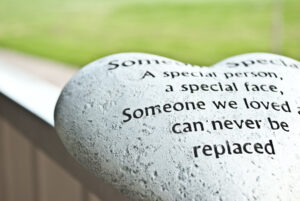
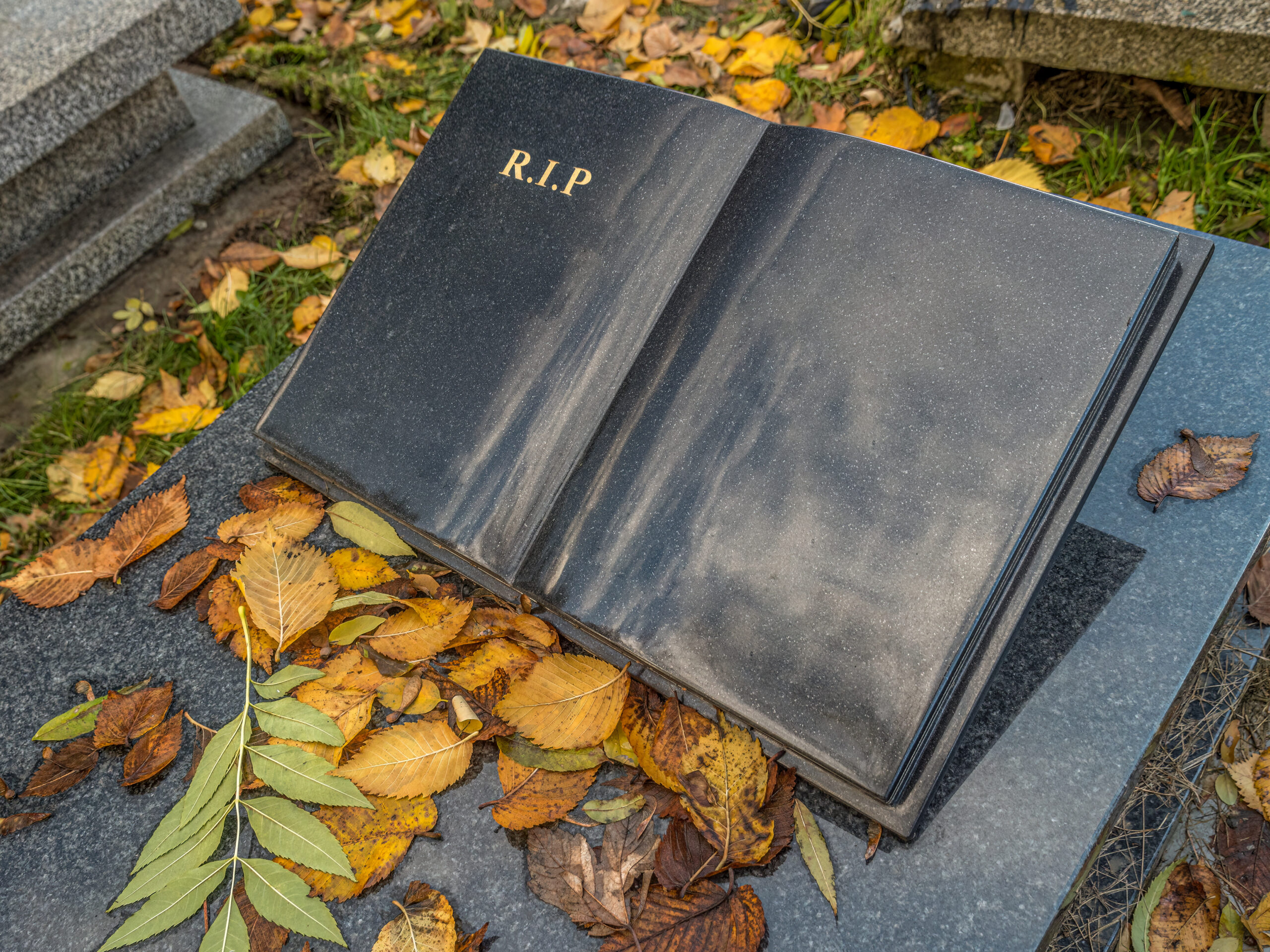
Somerville Stone offers cremation memorials alongside options such as memorial books, heart memorials and mini kerb designs. The availability of these different styles illustrates why material selection should be considered alongside the intended shape and inscription.
A family wanting a detailed heart-shaped memorial may need to approach material selection differently from someone choosing a simple rectangular tablet.
Allowing for future inscriptions
Some cremation memorials are intended to commemorate more than one person.
Where this is likely, the design should allow enough space for future lettering.
The material and finish should also be considered in relation to how additional inscriptions might be incorporated later.
Planning this at the outset can help maintain a consistent appearance.
What Should Families Consider Before Choosing a Material?
Rather than choosing stone based only on photographs or price, it is helpful to consider how the memorial will be used and maintained.
A practical decision can be made by asking five questions.
- Where will the memorial be placed? Establish the exposure conditions and any cemetery or churchyard restrictions.
- How much maintenance is realistic? Granite is generally appropriate where families prefer a relatively low-maintenance memorial.
- What appearance is preferred? Consider natural colour, finish, veining and compatibility with surrounding memorials.
- What inscription or decoration is required? The material should accommodate the desired lettering and design clearly.
- What is the overall budget? Compare the complete memorial cost, including engraving, foundations, installation and any applicable permission fees.
The cheapest stone is not necessarily the most economical choice over the memorial’s lifetime.
Equally, paying more for a particular material does not automatically make it the best option.
The objective is to choose a stone that meets the family’s expectations while remaining appropriate for the location.
Frequently Asked Questions
How long do granite cremation memorials last?
A properly selected and installed granite memorial can remain in good condition for many decades. Its lifespan depends on the quality of the stone, environmental conditions, installation and maintenance. No natural stone memorial is entirely immune to weathering or damage.
Can cremation memorial stones be personalised?
Yes. Depending on the material and design, personalisation may include inscriptions, decorative carving, engraved imagery and different finishes. The burial ground may restrict certain features, particularly photographs or additional ornaments.
Is polished granite suitable for a churchyard cremation memorial?
Not always. Some churchyards permit polished granite, while others restrict reflective finishes or specify particular natural stones. Approval should be obtained before the memorial is manufactured.
Do small cremation memorials need professional installation?
This depends on their design and location. Burial authorities may require installation by an approved monumental mason, even for relatively small stones. Correct fixing and suitable foundations remain important for long-term stability.
Can a cremation memorial stone be cleaned at home?
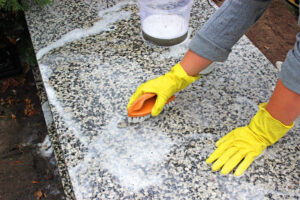
Many sound modern memorials can be maintained through gentle removal of loose debris and appropriate light cleaning. However, the correct method depends on the material. Acidic cleaners, pressure washing and abrasive equipment can damage certain stones, particularly marble and limestone.
Choosing a Material That Will Stand the Test of Time
For many outdoor cremation memorials, granite provides the strongest overall balance of durability, appearance and manageable maintenance.
However, the right material depends on more than weather resistance.
Marble offers a traditional character, slate can create a distinctive and understated memorial, and suitable limestone or sandstone may complement particular churchyard settings.
The most important step is to consider the stone, design and intended location together.
Families should confirm any burial ground restrictions, consider the long-term appearance of the material and make sure the chosen design provides sufficient space for a meaningful inscription.
Somerville Stone supplies bespoke natural stone memorials in granite, marble, slate, York stone and limestone. Its Southsea showroom allows families to explore memorial materials, colours and designs, with guidance on choosing an appropriate cremation memorial.
For advice on available options or help planning a personalised tribute, contact Somerville Stone.
Phone: 023 9282 4457
Email: info@somervillestone.co.uk
Find out more: https://somervillestone.com