
Marble memorials remain popular because they offer a distinctive combination of natural beauty, traditional character and emotional significance. Although families can now choose from a wide range of stones, finishes and contemporary memorial styles, marble continues to be associated with dignity, permanence and remembrance.
Its pale colouring, subtle veining and softly reflective surface give marble a character that is difficult to reproduce with manufactured materials. Each piece of natural marble is slightly different, allowing a memorial to feel personal even before lettering, carving or ornamentation is added.
Marble also has a long history in sculpture, architecture and memorial masonry. This heritage contributes to its continuing appeal. For many families, a marble memorial feels appropriate because it connects a modern tribute with generations of memorial tradition.
However, appearance is only one part of the decision. Marble behaves differently from harder stones such as granite, and families should understand its maintenance requirements, likely weathering and suitability for the intended cemetery or churchyard before placing an order.
What makes marble suitable for memorials?
Marble is a natural stone formed when limestone is altered by heat and pressure beneath the earth’s surface. This process changes the structure of the stone and creates the crystalline appearance for which marble is known.
One of marble’s most recognisable qualities is its natural variation. A memorial may contain fine grey lines, soft clouds of colour or more pronounced veins. These patterns are part of the stone itself rather than being printed or applied to the surface.
This makes every memorial unique. Two headstones produced to the same shape and dimensions may still look noticeably different because the veining and tonal variations will not be identical.
Marble is also valued because skilled craftspeople can shape and carve it in considerable detail. It has traditionally been used for sculpted figures, floral motifs, religious symbols and decorative borders. Although it is not as hard as granite, its relative softness allows experienced memorial masons to create flowing curves and subtle hand-finished details.
Its light colour can also create an effective background for inscriptions. Depending on the finish and the cemetery’s requirements, lettering may be cut into the stone and highlighted to improve visibility.
Why is marble associated with traditional memorial design?
Marble has been used in sculpture, monuments and places of worship for centuries. Its long association with important buildings, statues and commemorative works has given it a strong connection with dignity and permanence.
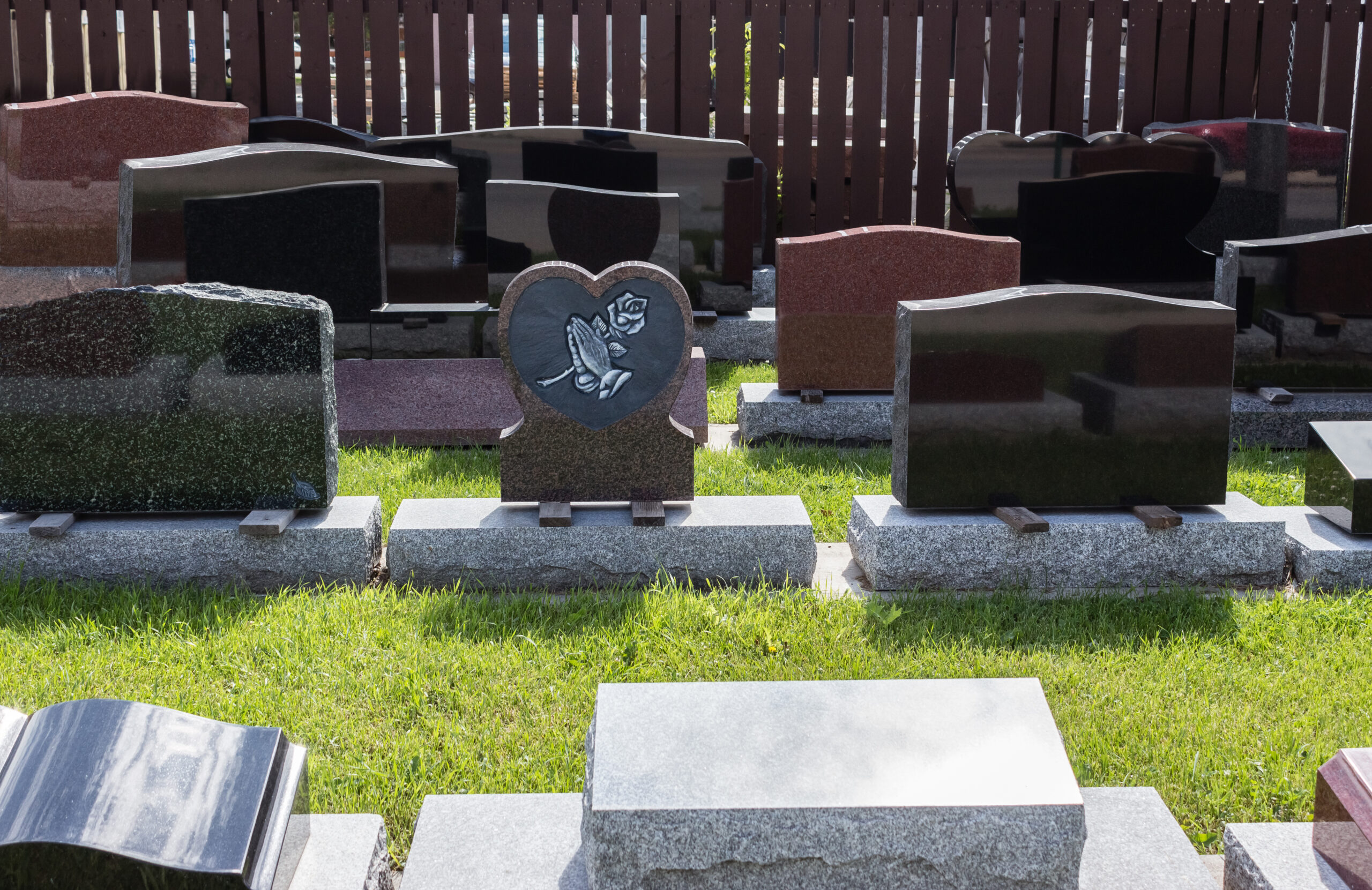
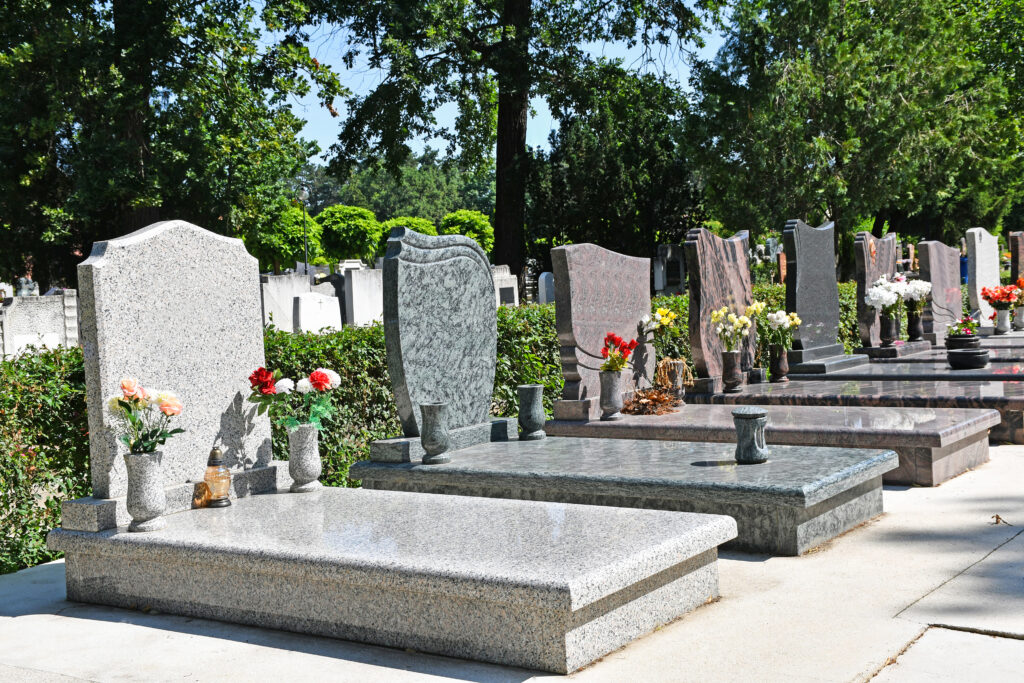
In the UK, marble memorials are often seen in older cemeteries and churchyards. They may take the form of upright headstones, crosses, tablets, kerbed memorials or more elaborate carved monuments. Their presence in these historic settings has helped establish marble as a traditional memorial material.
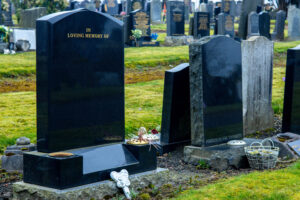
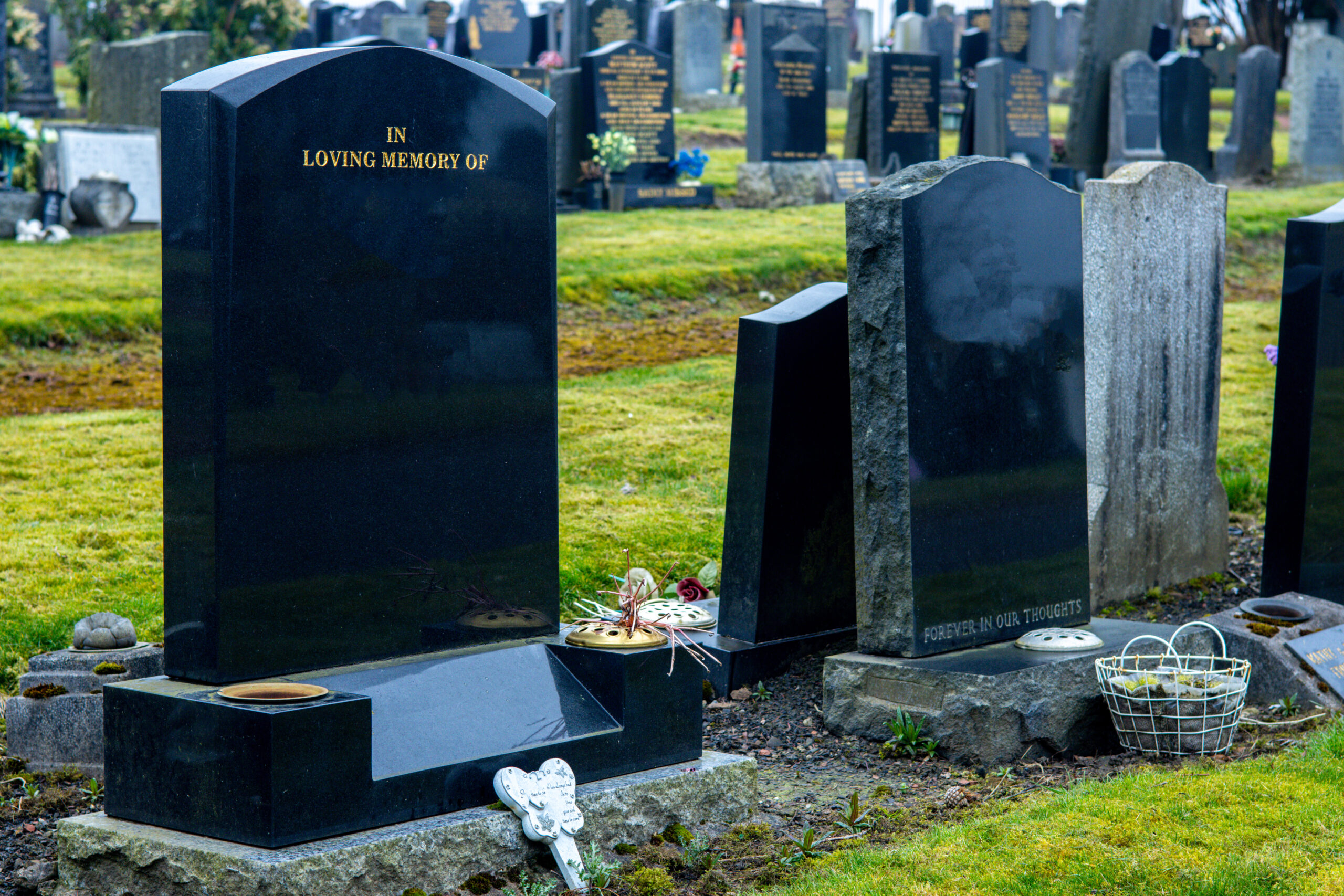
For some families, this historic character is part of the attraction. A highly polished black granite headstone can look formal and contemporary, while pale marble often has a softer and more classical appearance.
This can make marble particularly suitable when a family wants a memorial that feels:
- Traditional and understated
- Elegant without appearing overly polished
- Appropriate for a historic churchyard
- Suited to carved ornamentation
- Connected with established memorial customs
The right choice will still depend on the person being remembered. A traditional material is not automatically suitable for every tribute. The design, inscription, cemetery setting and preferences of the family should all be considered together.
Why does the natural appearance of marble appeal to families?
A memorial is a deeply personal object. Families are not simply choosing a practical marker. They are selecting a material and design that will represent someone important for many years.
Marble’s natural variation can help a memorial feel individual. Fine veining may add visual interest without distracting from the inscription, while the lighter surface can create a calm and gentle appearance.
Unlike materials produced to achieve a completely uniform colour, marble often displays visible evidence of its natural formation. Small tonal changes and mineral patterns give the stone depth and character.
Some families prefer a clean white or pale grey memorial because it can suggest peace, simplicity and reflection. Others appreciate the way carved flowers, crosses, books or symbolic shapes stand out against the light stone.
The appearance can also complement planted cemetery spaces. Pale marble may sit naturally among grass, flowers and mature churchyard surroundings without appearing too imposing.
What types of memorial design work well in marble?
Marble can be shaped into many memorial forms, although the suitability of a specific design will depend on the quality and thickness of the stone, the level of detail required and the rules of the burial ground.
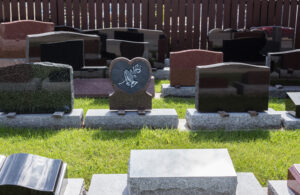
Traditional upright headstones
A simple upright headstone allows the stone’s colour and veining to remain visible. Shaped tops, rounded shoulders and carved borders can add character without making the design overly elaborate.
This type of memorial may suit families who want a formal tribute with space for a clear inscription and a modest decorative element.
Cross memorials
Marble has a longstanding association with Christian memorials and can work particularly well for cross-shaped designs. The cross may form the main structure of the memorial or appear as a carved or raised feature on a conventional headstone.
Before choosing a cross memorial, families should check the regulations of the particular churchyard or cemetery. Some burial authorities control permitted dimensions, ornamentation and stone finishes.
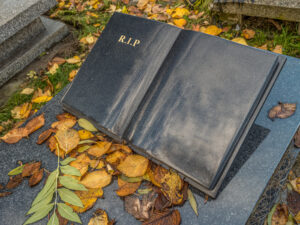
Book-shaped memorials
An open memorial book can symbolise a life story, a shared relationship or a chapter of remembrance. Marble’s softer visual character is well suited to the curved pages and flowing lines of a book design.
The two visible pages may be used for separate inscriptions, a verse, a dedication to two people or a combination of lettering and ornamentation.
Carved floral and symbolic details
Marble can be suitable for roses, lilies, leaves, religious emblems and other meaningful motifs. Hand carving can give these details a depth and individuality that differs from surface engraving.
The amount of detail should be considered carefully. Fine features can gradually soften as the stone weathers, particularly when the memorial is exposed to frequent rain, pollution or coastal conditions.
Kerbed memorials
Marble may also be used as part of a full memorial kerb set. These designs define the grave space and may include a headstone, kerbs, a cover slab, chippings or a planting area.
Kerbed memorials are not accepted in every cemetery, so permission should be confirmed before a design is commissioned.
How does marble change as it ages?
Marble is a durable natural stone, but it does not remain completely unchanged outdoors. It is softer and more porous than granite, which means weather and environmental conditions can affect its surface more noticeably.
Over time, a marble memorial may lose some of its initial brightness. The surface can become more matt, and carved edges may gradually soften. Moss, algae, lichen and atmospheric deposits may also become visible, particularly in damp or shaded locations.
This natural ageing is not always regarded as a disadvantage. Some families value the mellowed appearance of older marble because it gives the memorial a sense of history and belonging within its surroundings.
Others prefer a stone that will retain a polished finish and sharp lettering with less maintenance. In that case, granite may be a more practical choice.
The speed at which marble changes will depend on several factors, including:
- The quality and type of marble
- The memorial’s exposure to rain and frost
- Local air pollution
- Shade from trees or nearby structures
- Proximity to the coast
- The depth and style of the lettering
- How the memorial is cleaned and maintained
Families should therefore consider both how the memorial will look when first installed and how they would feel about its appearance developing over several decades.
Are marble memorials difficult to maintain?
Marble generally requires more careful maintenance than dense, polished granite. Its porous surface can retain moisture and support biological growth, while unsuitable cleaning products can cause permanent damage.
Strong acids, bleach, household cleaners and abrasive tools should not be used on a marble memorial. These products may stain the surface, remove its finish or react with the stone.
Even pressure washing can cause damage if excessive force is used. It may weaken lettering, disturb filling materials or erode already weathered areas.
Light surface dirt can sometimes be removed using clean water, a soft brush and a method appropriate for the condition of the stone. However, older, unstable or heavily stained memorials should be assessed by a specialist before cleaning begins.
Professional memorial maintenance is not simply about making the stone appear brighter. It should protect the material, preserve inscriptions and avoid accelerating deterioration.
Families considering marble should ask their monumental mason what maintenance is likely to be required and how the stone should be cared for after installation.
How does marble compare with granite?
Granite and marble can both create beautiful memorials, but they offer different visual and practical qualities.
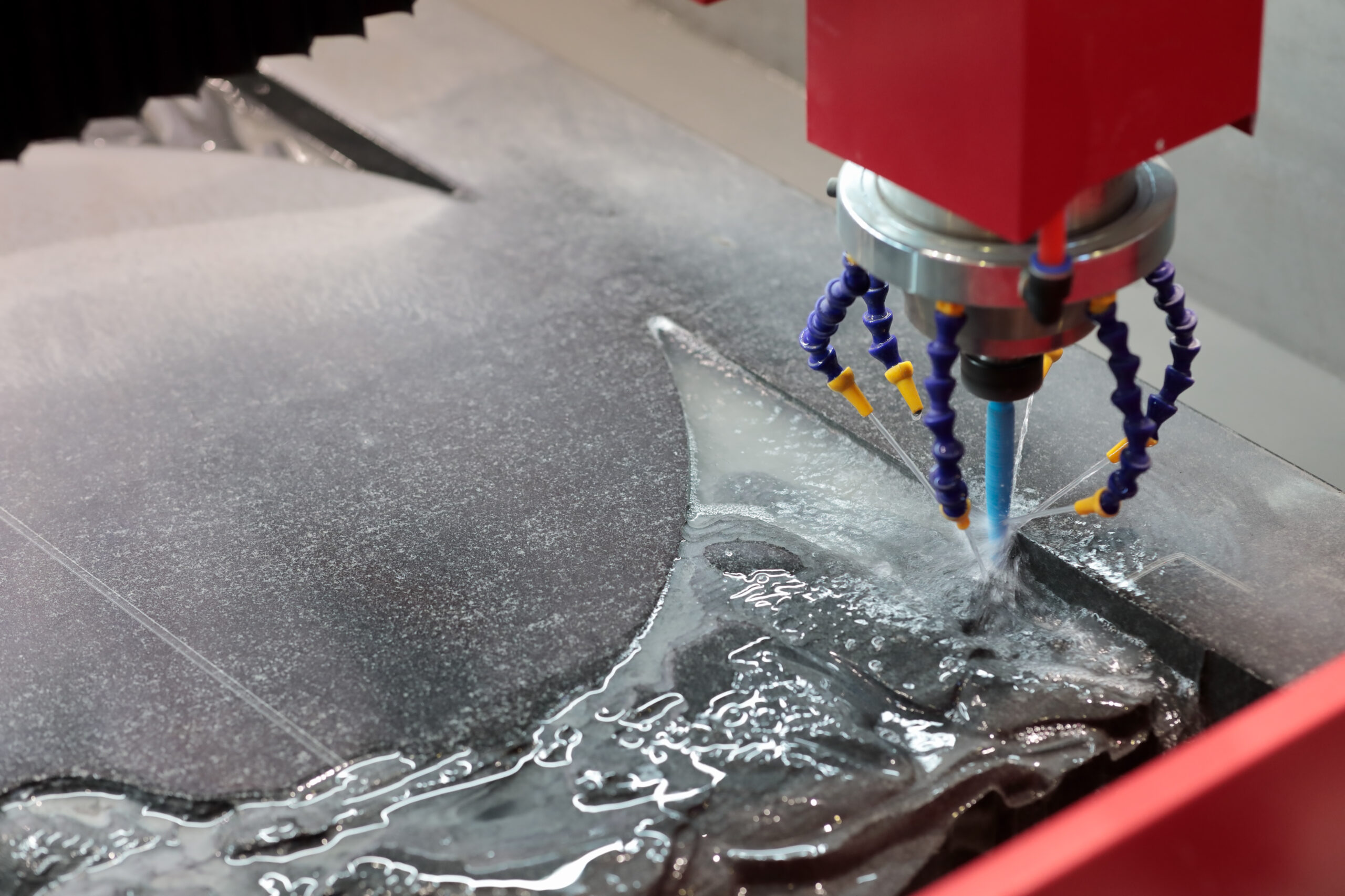
Granite is harder, denser and generally more resistant to moisture, staining and surface erosion. It is available in many colours and can take a highly polished finish. Modern engraving methods can also reproduce detailed images and ornamentation effectively on suitable granite surfaces.
Marble is usually chosen for its lighter colouring, classical associations, natural veining and suitability for traditional carved work. It tends to weather more visibly, but this developing character is appreciated by some families.
The decision should not be reduced to which stone is universally better. It is more helpful to consider which material is better suited to the intended design, setting and expectations.
Granite may be preferable when low maintenance, crisp lettering and long-term colour consistency are the priorities. Marble may be more appropriate when the family values traditional character, pale natural stone and hand-finished decorative detail.
Somerville Stone offers both church and marble memorial options alongside other memorial materials, allowing families to compare styles and consider what will best suit the burial ground and the person being remembered.
What should families consider before choosing marble?
A memorial should not be selected on appearance alone. Before deciding on marble, families should consider the burial ground regulations, local conditions and practical expectations for the future.
Check the cemetery or churchyard rules
Every burial authority can set its own rules regarding memorial materials, finishes, dimensions, foundations and ornamentation.
Traditional churchyards may favour natural-looking stones and restrained designs, but this does not mean every type of marble will automatically be accepted. Written permission is normally required before installation.
An experienced memorial mason can prepare the application and identify whether the proposed design is likely to meet local requirements.
Think about the location
A shaded grave beneath trees may remain damp for longer and develop green growth more quickly. A coastal cemetery may expose the stone to salt, wind and driving rain. An open site may experience more frost and direct weathering.
These conditions should influence the choice of material and finish.
Consider future maintenance
Families should think realistically about who will care for the memorial. A marble headstone may remain beautiful for generations, but it will usually benefit from sensitive cleaning and periodic inspection.
Choosing a material that matches the family’s expectations can prevent disappointment later.
Choose lettering for long-term readability
Fine lettering may look elegant when newly cut, but shallow details can become harder to read as marble weathers.
The typeface, letter depth, spacing and finish should all be discussed with the memorial mason. The inscription must suit the size and shape of the memorial while remaining clear.
Allow the design to reflect the person
The strongest memorial designs are not necessarily the most elaborate. A simple marble headstone with carefully chosen words can feel more personal than a heavily decorated memorial selected without reference to the individual.
Names, dates, verses, symbols and carved details should work together to create a coherent tribute.
Why does craftsmanship matter with marble memorials?
Marble rewards careful workmanship. The quality of the shaping, carving, lettering, finishing and installation will all influence how the completed memorial looks and performs.
A skilled memorial mason will inspect the stone, consider the direction of its veining and identify any natural features that may affect the design. The mason can also advise whether a proposed carved element is suitable for the chosen piece of marble.
Accurate installation is equally important. The memorial must be fixed using an appropriate foundation and approved fixing system. Poor installation can create a safety risk regardless of how attractive the stone may be.
Craftsmanship also matters when balancing decorative ambition with long-term durability. Very delicate details may be possible to carve, but a responsible mason should explain how those details are likely to respond to outdoor exposure.
Frequently Asked Questions
Do marble memorials last for many years?
Yes. A well-made and properly installed marble memorial can remain in place for many decades. However, its surface and lettering will usually weather more visibly than polished granite. Regular inspection and sensitive maintenance can help preserve its appearance.
Is marble suitable for every cemetery?
Not necessarily. Each cemetery or churchyard can have its own rules concerning materials, colours, finishes and memorial shapes. Approval should be obtained before the memorial is manufactured or installed.
Can marble memorials be personalised?
Yes. Marble memorials can include shaped tops, carved flowers, religious symbols, book designs, borders and carefully selected lettering. The design should take account of the stone’s properties and the burial ground regulations.
Can an old marble headstone be cleaned?
Many marble headstones can be cleaned, but the correct method depends on the stone’s condition. Household chemicals, acids and abrasive equipment should be avoided. Older or fragile memorials should be examined by a memorial specialist first.
Is marble more expensive than granite?
The price depends on the size, stone variety, design, carving, lettering and installation requirements. A simple marble memorial may cost less than a highly elaborate granite one, while detailed hand carving can increase the cost substantially. Families should compare complete quotations rather than judging materials by a general price assumption.
Choosing a marble memorial with confidence
Marble memorials remain popular because they provide something that cannot be measured by durability alone. Their gentle colouring, natural veining and connection with traditional craftsmanship give them a distinctive emotional and visual presence.
They can be particularly suitable for families seeking a classical headstone, a churchyard memorial, a carved tribute or a design that will develop a naturally aged character over time.
Marble does require informed care, and it may not retain the sharp, polished appearance associated with granite. That does not make it an inferior choice. It simply means the family should understand how the stone behaves and decide whether those characteristics suit their priorities.
By considering the setting, regulations, design, lettering and future maintenance before ordering, families can choose a marble memorial that feels respectful, personal and appropriate for the person it commemorates.
For guidance on marble memorials, inscriptions and suitable designs, contact Somerville Stone on 02392 824457, email info@somervillestone.co.uk, or visit Somerville Stone. The team is based in Southsea, Portsmouth, and can help families explore memorial options with care and sensitivity.