As cremation continues to become more common across the UK, many families are exploring different ways to create a meaningful place of remembrance. Cremation memorial stones offer a lasting tribute that gives relatives and friends somewhere personal to visit, reflect and remember a loved one.
One of the advantages of cremation memorials is flexibility. Unlike traditional burial memorials, cremation stones can often be placed in a wider range of settings depending on local regulations and family preferences.
However, rules around memorial placement can vary considerably between cemeteries, churches, crematoria and private land. Understanding the available options can help families choose a location that feels appropriate, practical and meaningful for the future.
Supporting Questions
- What are cremation memorial stones used for?
- Can cremation memorials be placed in cemeteries?
- Are memorial gardens suitable for cremation stones?
- Can cremation memorials be installed at home?
- What regulations apply to cremation memorial placement?
What are cremation memorial stones used for?
Cremation memorial stones are designed to commemorate a loved one following cremation. Some contain ashes within the memorial itself, while others simply act as a permanent place of remembrance.
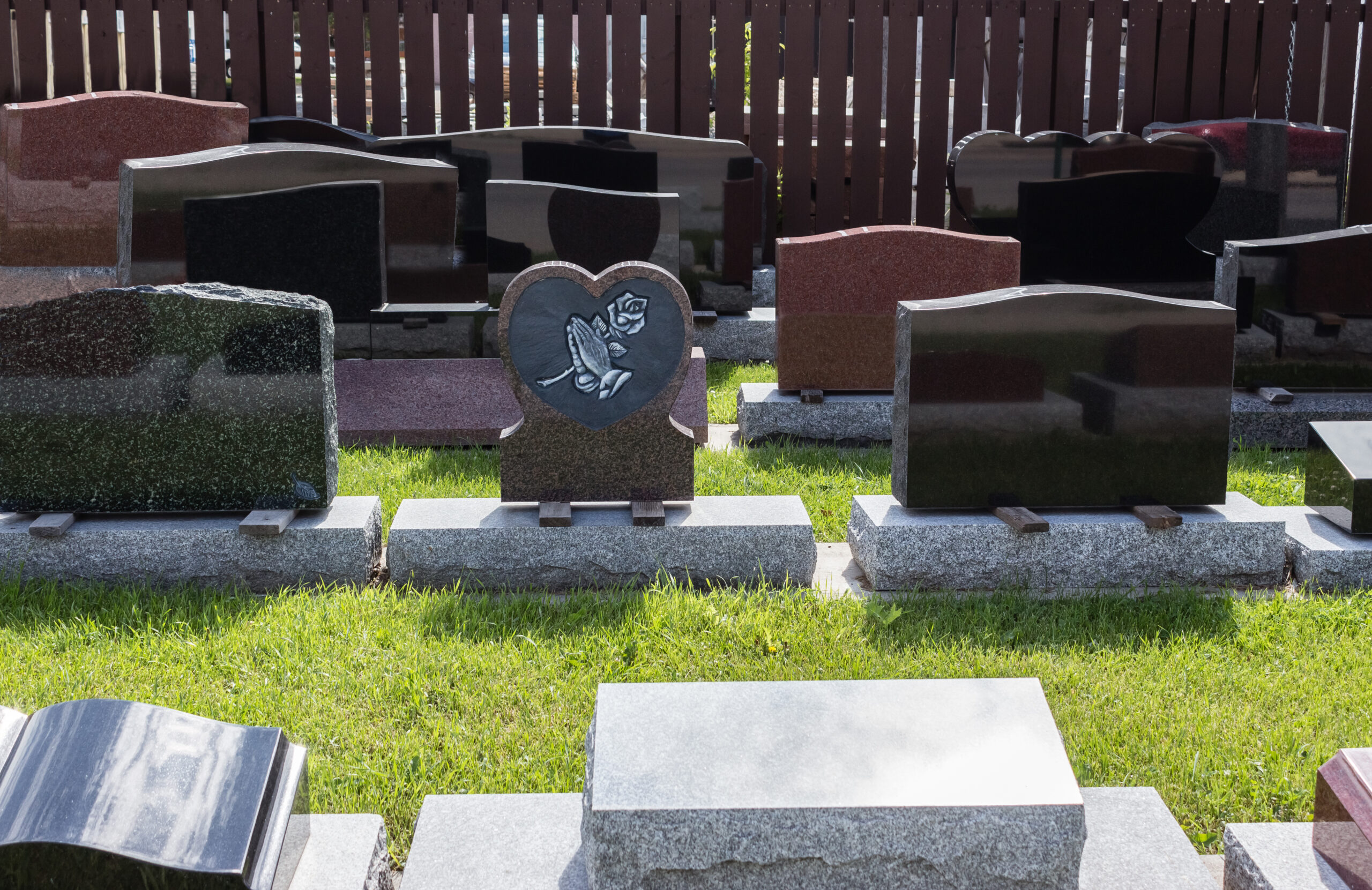
They can take many forms including:
- Flat memorial plaques
- Small upright memorials
- Memorial tablets
- Book-shaped stones
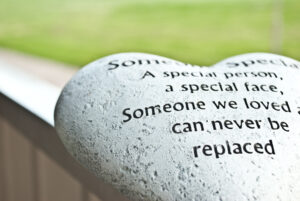
- Heart memorials
- Cremation kerb sets
- Bench memorials
For many families, having a dedicated memorial location provides comfort and continuity after a cremation, particularly when ashes are scattered elsewhere or divided among relatives.
Cremation memorials are often designed to feel slightly more personal and flexible than traditional grave memorials, especially in smaller memorial gardens or private settings.
Can cremation memorial stones be placed in cemeteries?
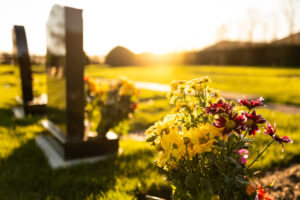
Yes. Many cemeteries across the UK have dedicated cremation sections specifically designed for cremation memorial stones.
Cemetery memorial gardens
Modern cemeteries often include:
- Cremation plots
- Ashes interment areas
- Memorial lawns
- Columbariums
- Shared remembrance gardens
These areas usually have specific regulations regarding:
- Memorial size
- Stone material
- Plaque dimensions
- Decorative features
- Vase or ornament allowances
Some cemeteries permit small upright memorials, while others only allow flat plaques set into the ground.
Why families choose cemetery placement
Cemetery memorials offer:
- A permanent public place of remembrance
- Ongoing maintenance by cemetery staff
- Structured memorial environments
- Accessibility for relatives and visitors
For families who value tradition or want future generations to have a dedicated place to visit, cemetery placement often feels reassuring and appropriate.
Are crematorium memorial gardens suitable for memorial stones?
Many crematoria operate their own memorial gardens where cremation memorial stones can be installed.
These spaces are specifically designed for quiet reflection and remembrance.
Typical crematorium memorial options
Depending on the location, crematoria may offer:
- Bronze plaques
- Granite tablets
- Memorial walls
- Shared memorial features
- Benches with inscriptions
- Rose gardens with plaques
The available styles are usually standardised to maintain a consistent appearance throughout the grounds.
Advantages of crematorium memorial gardens
These locations can provide:
- Peaceful landscaped settings
- Professionally maintained grounds
- Long-term memorial care
- Convenient location following the cremation service
Some families also appreciate that crematorium memorial gardens often feel less formal than traditional cemeteries.
The Institute of Cemetery and Crematorium Management offers information on memorial management and cremation practices in the UK. Institute of Cemetery and Crematorium Management
Can cremation memorial stones be placed in churchyards?
In some cases, yes. Certain churches permit cremated remains to be interred within churchyards, often alongside smaller memorial plaques or stones.
However, regulations are usually stricter than in municipal cemeteries.
Churchyard considerations
Church authorities may limit:
- Memorial materials
- Plaque sizes
- Colours and finishes
- Decorative imagery
- Kerb sets and edging
Natural stone materials such as limestone or sandstone are sometimes preferred in older churchyards to preserve the traditional appearance of the setting.
Before arranging a churchyard memorial, families should always check with the parish or diocesan authority.
Can cremation memorial stones be placed at home?
Yes. Increasingly, families are choosing to install cremation memorial stones within private gardens or personal outdoor spaces.
This option offers a more intimate and personal place of remembrance away from public memorial grounds.
Home memorial ideas
Private memorials may include:
- Garden memorial stones
- Memorial benches
- Decorative plaques
- Natural rock memorials
- Tree planting areas
- Ashes interment beneath paving or planting
For some families, having a memorial close to home provides comfort and easier day-to-day remembrance.
Important considerations for home memorials
Before placing a memorial on private property, it is important to consider:
- Long-term plans for the property
- Future ownership changes
- Accessibility for wider family members
- Weather exposure
- Ongoing maintenance
While private memorials offer flexibility, some families later prefer a more permanent public location that future generations can continue to visit.
Are cremation memorials allowed in natural burial grounds?
Many natural burial grounds permit cremation memorials, although the approach is often more environmentally focused and understated.
Natural memorial styles
These locations may encourage:
- Flat stone plaques
- Natural boulders
- Timber markers
- Tree memorials
- Minimal inscriptions
Highly polished granite or elaborate memorials are often discouraged to maintain the natural appearance of the site.
Families choosing natural burial grounds are usually seeking a quieter and more environmentally sympathetic style of remembrance.
Guidance on natural burial grounds in the UK can be found through The Natural Death Centre
What regulations apply to cremation memorial placement?
Regulations vary significantly depending on the location.
Common memorial restrictions
Rules may cover:
- Maximum dimensions
- Thickness of plaques
- Approved stone materials
- Permitted colours
- Vase and ornament allowances
- Installation methods
Some locations also require memorials to comply with safety standards regarding foundations and fixing systems.
Why professional guidance matters
An experienced monumental mason can help families:
- Understand local regulations
- Submit approval applications
- Choose compliant materials
- Design suitable memorials
- Arrange professional installation
This guidance can help avoid delays or issues with cemetery or crematorium approval.
How do families choose the right location?
The best location for a cremation memorial stone often depends on what matters most to the family.
Some prioritise:
- Tradition and permanence
- Ease of visiting
- Religious significance
- Privacy and intimacy
- Natural surroundings
- Future accessibility for relatives
There is no universally correct choice. The most suitable location is usually one that feels emotionally meaningful while remaining practical for the long term.
Families may also wish to think about how the memorial will fit into future remembrance traditions such as anniversaries, birthdays or family gatherings.
Frequently Asked Questions
Can ashes be buried beneath a cremation memorial stone?
Yes. Many cremation plots are specifically designed for ashes interment beneath the memorial.
Are cremation memorial stones smaller than traditional headstones?
Usually, yes. Cremation memorials are often more compact due to cemetery and crematorium regulations.
Can cremation memorials include photographs?
Some locations allow ceramic photo plaques, although approval rules vary between memorial grounds.
Do cremation memorial gardens have visiting restrictions?
Most public memorial gardens remain open during standard cemetery or crematorium hours, although specific rules vary by location.
Can multiple family members share one cremation memorial?
Yes. Many cremation memorials are designed to accommodate multiple inscriptions for partners or family members.
Cremation memorial stones provide families with a lasting place of remembrance that can be tailored to different settings, beliefs and personal preferences. Whether placed within a cemetery, crematorium memorial garden, churchyard or private garden, the right memorial location should feel meaningful both now and for future generations.
Careful planning and professional guidance can help ensure the memorial is appropriate for the chosen setting while creating a respectful and lasting tribute to a loved one.