Choosing a memorial for an older churchyard requires a slightly different approach from selecting a headstone for a modern cemetery. The memorial still needs to feel personal and meaningful, but it also needs to sit comfortably within a setting that may contain centuries of traditional stonework.
In many older churchyards, the most suitable designs are those that use natural stone, restrained shapes, traditional proportions and subtle detailing. Limestone, slate, sandstone and other naturally weathering stones can often blend particularly well with historic surroundings, while simple upright headstones, gently shaped tops and hand-carved details can create a timeless appearance.
That does not mean every memorial needs to look old-fashioned or identical to neighbouring stones. A carefully designed headstone can still reflect the personality and life of the person being remembered. The key is usually to balance individuality with sensitivity to the character of the churchyard.
Churchyard regulations are also particularly important. Many are governed by diocesan or parish rules that can affect the permitted material, finish, dimensions, wording, imagery and style of a memorial.
Which materials suit older churchyards best?
Material choice has a major influence on whether a new memorial feels appropriate in a historic setting.
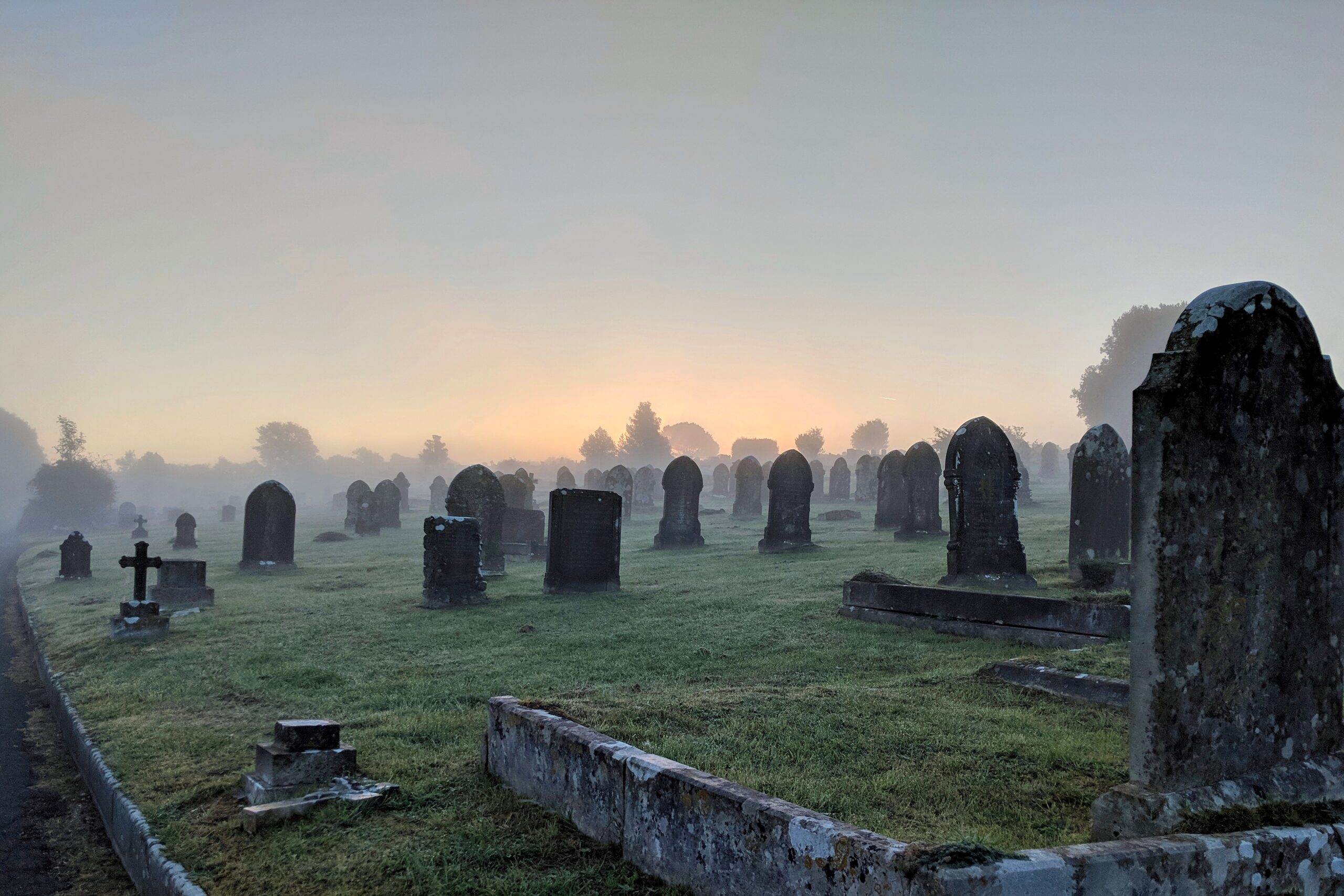
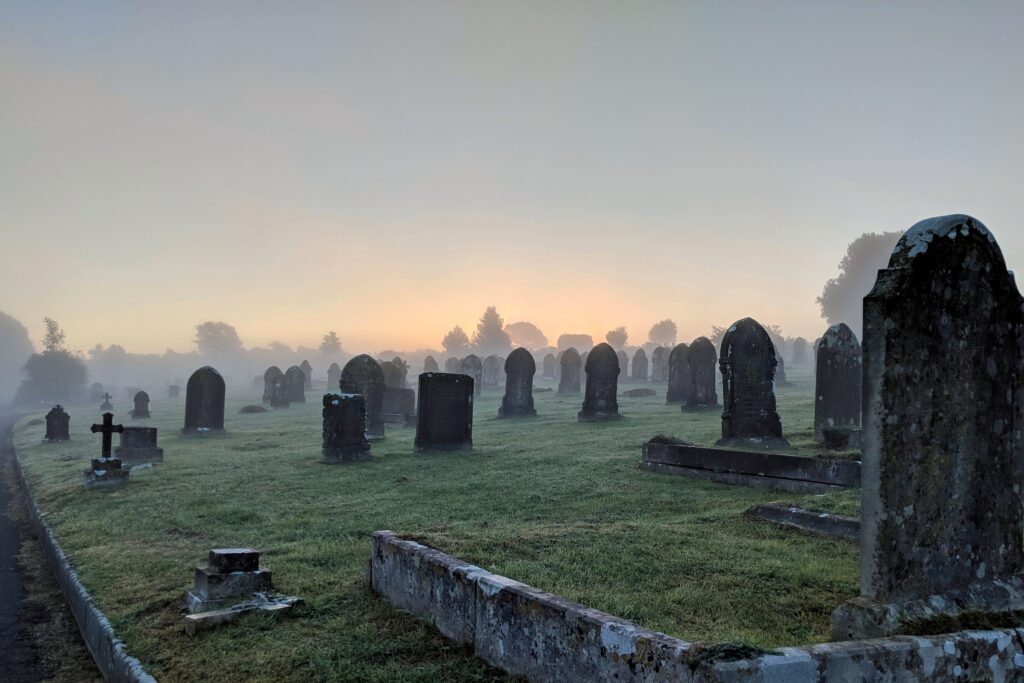
Older British churchyards often contain memorials made from locally available natural stone. Over time, these stones develop patina, surface texture, lichen and subtle colour variations that become part of the character of the site.
For a new memorial, choosing a material that ages naturally can help it settle into the surroundings rather than appearing visually separate from them.
Limestone
Limestone is often associated with traditional churchyard memorials because of its soft, natural appearance.
Its colour can range from pale cream and buff to warmer grey or honey tones depending on the variety. Rather than maintaining a highly reflective finish, limestone generally develops a more weathered appearance as it is exposed to rain and the atmosphere.
This can make it particularly suitable for churchyards where many of the existing memorials are older and relatively understated.
Limestone also lends itself well to carved lettering and simple decorative details, making it possible to create a memorial that is both personal and traditional.
Slate
Slate is another material with a long history in British memorial masonry.
Its fine grain allows skilled masons to produce crisp lettering and detailed carving. Dark grey or blue-grey slate can also create a distinctive memorial without relying on a polished surface.
One of the advantages of slate is that relatively simple designs can look refined because the stone itself has strong visual character.
A straightforward upright slate headstone with carefully proportioned lettering may therefore suit a historic churchyard very well.
Sandstone and other traditional natural stones
Certain churchyards contain large numbers of sandstone memorials, particularly where the material was historically quarried nearby.
Using a stone that visually relates to existing memorials can help a new headstone feel more established within the landscape.
However, the suitability of any particular natural stone depends on its durability and the individual churchyard’s regulations.
It is therefore important to discuss the intended material with an experienced monumental mason rather than choosing entirely on appearance.
Why do simple upright headstones work so well?
The upright headstone remains one of the most appropriate designs for older churchyards because it has been used in Britain for generations.
It provides enough space for an inscription while retaining a relatively modest footprint and straightforward silhouette.
A simple upright stone does not have to be plain. Small differences in the outline can significantly change its character.
Traditional options may include:
- Rounded or gently curved tops
- Ogee-shaped tops
- Soft shoulders
- Peon or Norman-style shapes
- Simple pointed or arched forms
- Subtle carved borders
These designs can introduce individuality without making the memorial appear overly elaborate.
Proportion is equally important. A well-balanced headstone with sufficient space around the inscription will often look more appropriate in a historic setting than a heavily decorated memorial attempting to use every available area.
Are rustic headstones suitable for churchyards?
Rustic headstones can be particularly effective in older or rural churchyards.
Rather than having every edge cut into a perfectly straight line, a rustic memorial may retain natural contours or textured edges. This allows the material to play a stronger role in the overall design.
Somerville Stone offers a dedicated range of rustic headstones, reflecting the different ways natural stone textures and shapes can be incorporated into memorial design.
A rustic finish can work well where the surrounding churchyard has an informal, natural character or where existing memorials have already weathered significantly.
The design may also be appropriate for someone who had a close connection with the countryside, gardening or outdoor life.
However, restraint is important. A natural-edged stone can provide visual interest without requiring extensive additional ornamentation. Combining too many decorative features with an already irregular shape can make the memorial feel unnecessarily busy.
Are polished granite headstones suitable for older churchyards?
Sometimes, but not always.
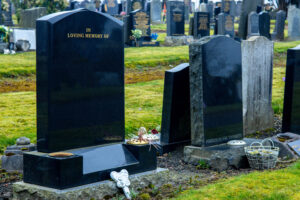
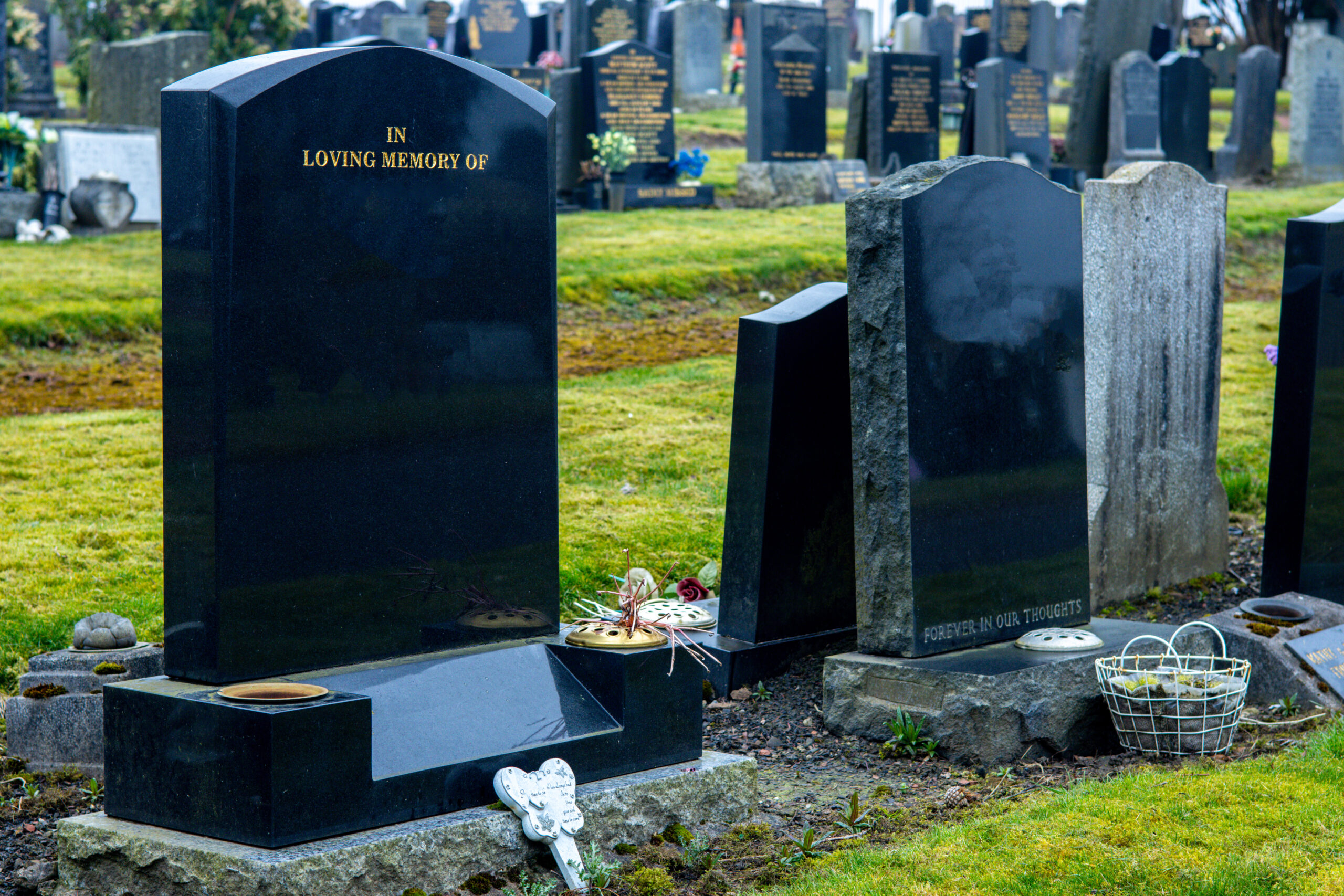
Highly polished granite is extremely common in modern cemeteries, but its reflective finish can contrast strongly with older limestone, slate or sandstone memorials.
Some churchyards therefore restrict polished finishes or particular colours of granite.
Others may permit granite provided the finish and design meet their regulations.
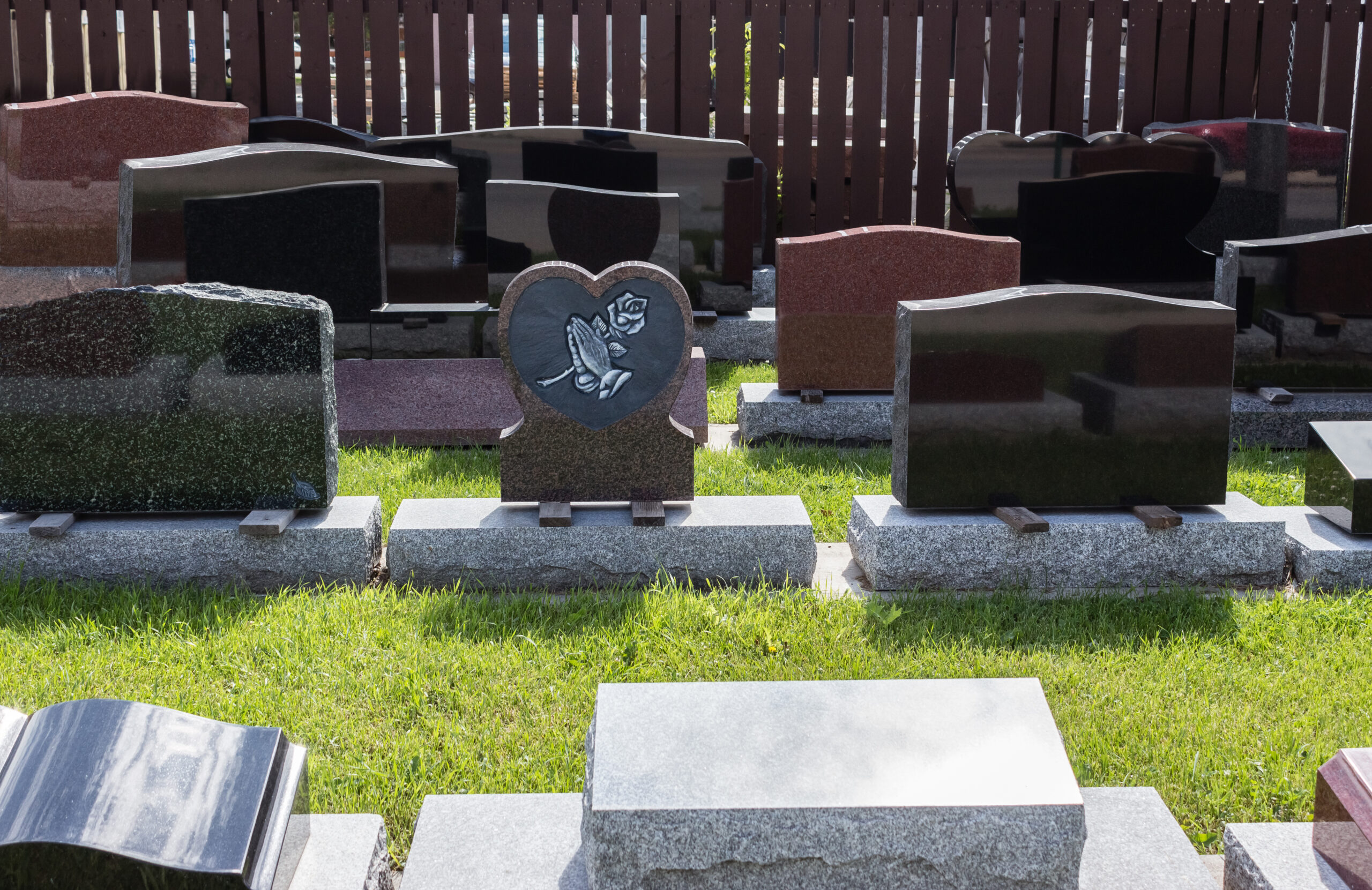
This is one of the areas where assumptions can cause problems. A family may find a memorial they like at a showroom or online, only to discover that the local churchyard does not permit that particular material or finish.
Where granite is allowed, a less reflective finish may sometimes sit more comfortably in an older setting.
The suitability will ultimately depend on the rules and character of the specific churchyard.
How important are hand-carved details?
Hand carving can be especially appropriate for traditional churchyard memorials.
Carved flowers, leaves, crosses and other simple motifs can add personal meaning while remaining consistent with long-established memorial craftsmanship.
The slightly individual quality of hand work can also complement natural stone. Small variations are part of the character rather than defects.
Hand-cut lettering is another option where permitted.
Traditional letterforms can create a different appearance from highly uniform machine-produced inscriptions. The depth and character of the lettering can contribute significantly to the overall design.
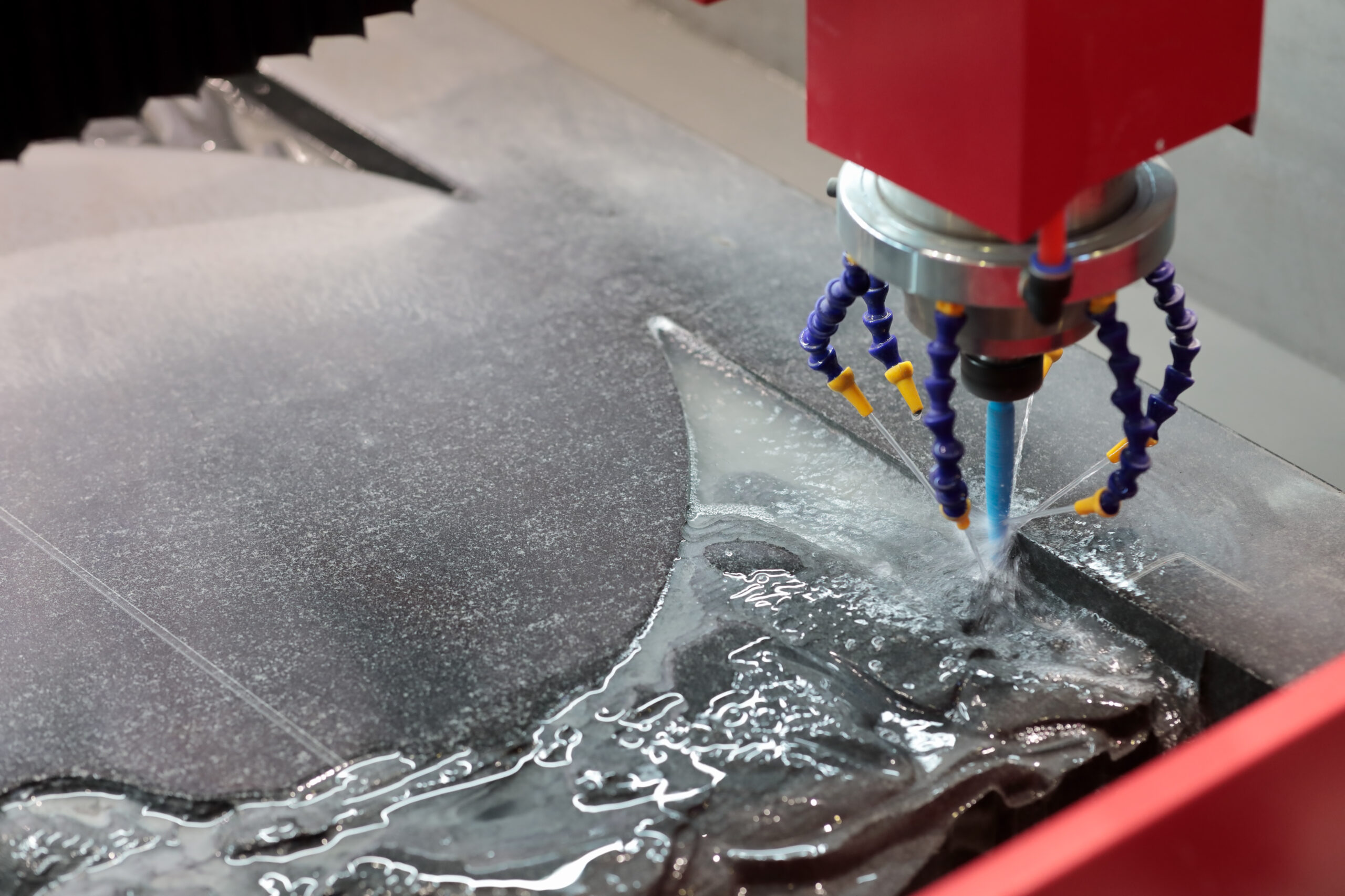
This does not mean machine engraving should automatically be avoided in an older churchyard. Modern methods can produce highly controlled and attractive results.
The choice should be based on the intended style of the memorial, the stone and any churchyard restrictions.
Should a churchyard headstone include decorative imagery?
Decorative imagery can be appropriate when it is used carefully.
Traditional churchyard memorials often incorporate religious symbols, botanical motifs and restrained ornamentation.
Common examples can include crosses, roses, lilies, leaves, doves and other symbolic designs.
A small carved feature may be enough to give a headstone a strong personal identity.
More contemporary imagery may also be possible, depending on local regulations. However, large photographs, highly detailed scenes or bold decorative panels may not always be accepted in historic churchyards.
The most effective approach is usually to decide which feature matters most and build the design around it.
For example, a simple limestone headstone with a hand-carved flower and carefully chosen inscription can feel far more personal than a memorial containing several unrelated decorative elements.
What role do churchyard regulations play?
Churchyard regulations are one of the most important considerations when choosing a memorial.
Unlike many municipal cemeteries, Church of England churchyards are generally subject to ecclesiastical rules and diocesan guidance.
These can cover areas such as:
- Permitted headstone dimensions
- Stone type and colour
- Surface finish
- Lettering style
- Decorative imagery
- Photographs
- Kerbs and grave surrounds
- Vases and other additions
- Wording and inscriptions
The precise requirements can differ between dioceses and individual churchyards.
Some conventional memorial designs may be approved through a relatively straightforward process, while unusual designs can require additional permission.
For this reason, families should confirm the rules before finalising a design or paying for detailed work.
An experienced monumental mason who regularly works with churchyards can help identify potential issues early in the process.
How can a memorial feel personal without looking out of place?
A churchyard memorial does not need to be elaborate to be individual.
In many cases, the most personal elements are relatively subtle.
The wording of the inscription, choice of stone, style of lettering and one carefully selected carved symbol can communicate a great deal.
A memorial might reflect the person through:
- A favourite flower
- A simple religious symbol
- A line of meaningful verse
- Carefully chosen lettering
- A natural stone associated with a particular area
- A restrained carved motif connected with their interests
The objective is not to reproduce the person’s entire life story on the stone.
A churchyard memorial can instead serve as a permanent focal point for remembrance, with a design that quietly communicates character and significance.
This approach often has the additional advantage of ageing well. Designs based on strong proportions, natural materials and carefully spaced lettering tend to remain visually balanced even as the stone gradually weathers.
Should nearby memorials influence the design?
It is useful to look at the surrounding churchyard before choosing a new headstone.
This does not mean copying another memorial.
Instead, the existing stones provide useful context.
Look at their approximate height, shape, material, colour and level of decoration. An area containing predominantly simple pale limestone memorials may have a very different character from one where slate and darker stones are common.
The age of neighbouring memorials is also relevant.
In a particularly historic section, understated natural stone may be more appropriate than a design that would look perfectly normal in a recently developed cemetery.
Walking through the churchyard can also help families understand what different materials look like after years of exposure.
A stone sample in a showroom shows the material when new. Existing memorials provide a much clearer indication of how a similar material could develop over time.
What about memorials for historic or listed churchyards?
Particular care may be needed where a churchyard forms part of a historically important site.
The church itself may be listed, and the setting may include historically significant memorials, walls, trees and landscape features.
In these circumstances, the visual impact of a new memorial can receive closer consideration.
A sympathetic design is usually preferable to one that deliberately tries to stand apart from the surroundings.
Natural stone, restrained proportions and traditional craftsmanship can therefore become especially valuable.
Where there is uncertainty, families should seek advice before settling on a final specification.
Can traditional designs still include modern personalisation?
Yes.
Traditional and personal are not opposites.
A headstone can retain a classic churchyard form while incorporating details that make it unique to the person being remembered.
Modern design and production methods can help with inscription planning, layout and the creation of bespoke ornamentation, even when the final memorial has a very traditional appearance.
The most successful combination is often one where modern techniques are used discreetly.
For example, precise layout work can ensure that a long inscription fits comfortably on a traditionally shaped stone without making the lettering feel cramped.
Similarly, a bespoke decorative design can be simplified so that it suits the character of the material and setting.
The technology used to create a memorial does not have to dictate how modern the finished headstone looks.
Frequently Asked Questions
Can you put a black granite headstone in a churchyard?
Possibly, but permission depends on the rules applying to the individual churchyard. Some churchyards restrict highly polished granite, certain colours or reflective finishes. Always check the regulations before ordering the stone.
Are heart-shaped headstones suitable for older churchyards?
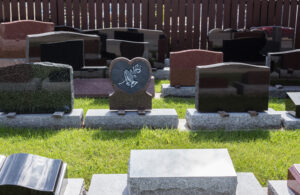
They may be accepted in some locations, but more traditional upright shapes are often easier to integrate into historic churchyard settings. The local rules and the specific design will determine whether a heart-shaped memorial is appropriate.
Do churchyard headstones have to be religious?
Not necessarily. A churchyard memorial can often use a simple inscription and restrained decorative design without prominent religious imagery, although the wording and design must comply with the relevant churchyard regulations.
Choosing a headstone for an older churchyard is largely about finding the right balance between personal remembrance and respect for the setting.
Traditional upright forms, natural stone, rustic finishes, carefully spaced inscriptions and restrained hand-carved details can all work particularly well. Materials such as limestone and slate naturally complement many historic churchyards because they gradually weather and develop character rather than retaining a highly reflective appearance.
The final decision should always take the individual churchyard’s rules into account. Checking those requirements early gives families more confidence that the memorial they choose can be approved and installed without unnecessary complications.
Somerville Stone can help families explore traditional, rustic and bespoke memorial designs and consider which stone, shape and inscription will work appropriately for a particular churchyard.
Phone: 02392 824457
Email: info@somervillestone.co.uk
Find out more: https://somervillestone.com/