When choosing a cemetery memorial, families often find themselves comparing familiar upright headstones with more distinctive designs such as memorial books. Both can provide a lasting and highly personal tribute, but they differ in appearance, layout and the way inscriptions and decorative details are presented.
A memorial book headstone is designed to resemble an open book, with two facing pages that can be used for separate inscriptions, artwork or other personal details. A traditional upright headstone, by comparison, usually provides one main vertical face for the inscription and ornamentation.
Neither format is inherently better. The right choice depends on the person being remembered, the amount of wording required, the preferred visual style and the regulations applying to the cemetery or churchyard.
Understanding the practical differences can make it easier to decide which memorial form best reflects the tribute a family wants to create.
What is a memorial book headstone?
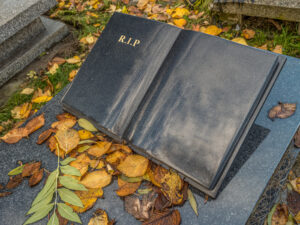
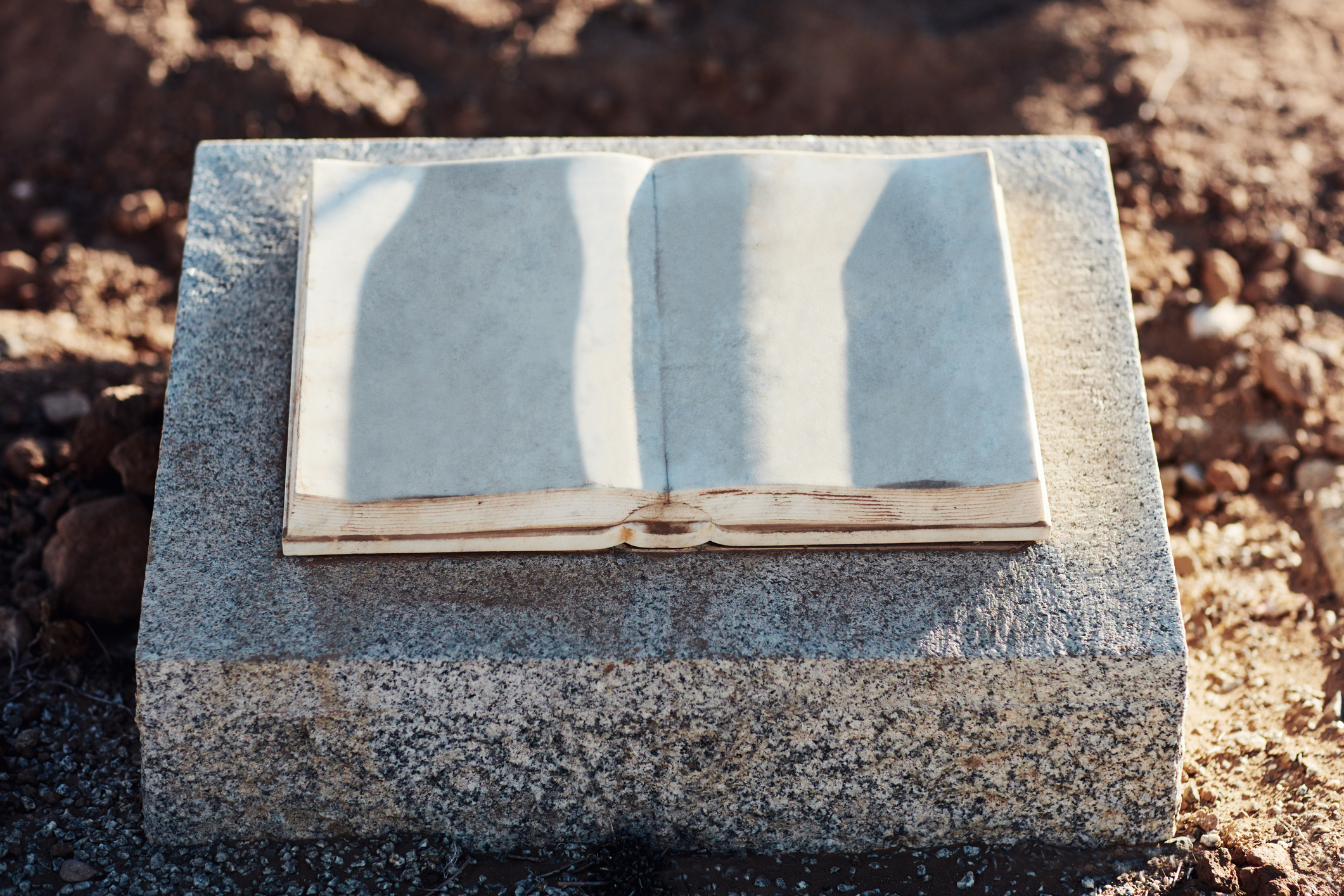
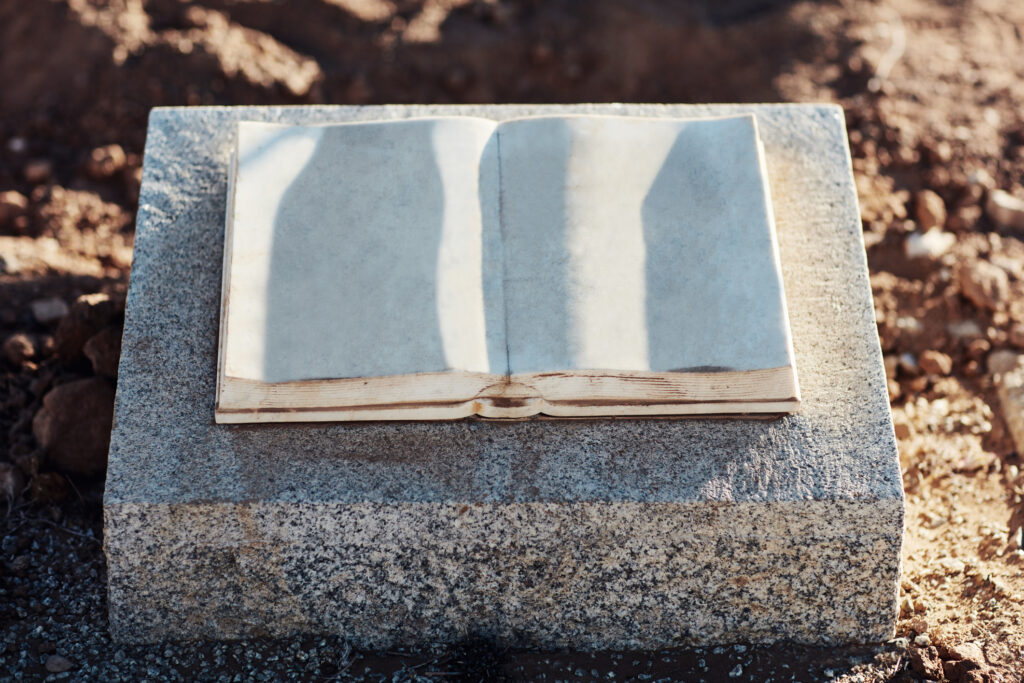
A memorial book is a headstone shaped to resemble an open book.
The two sides create the appearance of facing pages, giving the memorial an immediately recognisable and symbolic form.
Books are often associated with memory, reflection and the story of a person’s life, which makes the design particularly suitable for memorial use.
The two-page layout also creates practical options.
One side might carry the person’s name and dates, while the second contains a verse, dedication or decorative design.
For memorials commemorating two people, each page can sometimes be used for a separate inscription while retaining a visually balanced overall design.
Somerville Stone offers memorial books as part of its wider memorial range, alongside traditional upright stones, heart memorials, rustic headstones and kerb sets.
How does a traditional upright headstone differ?
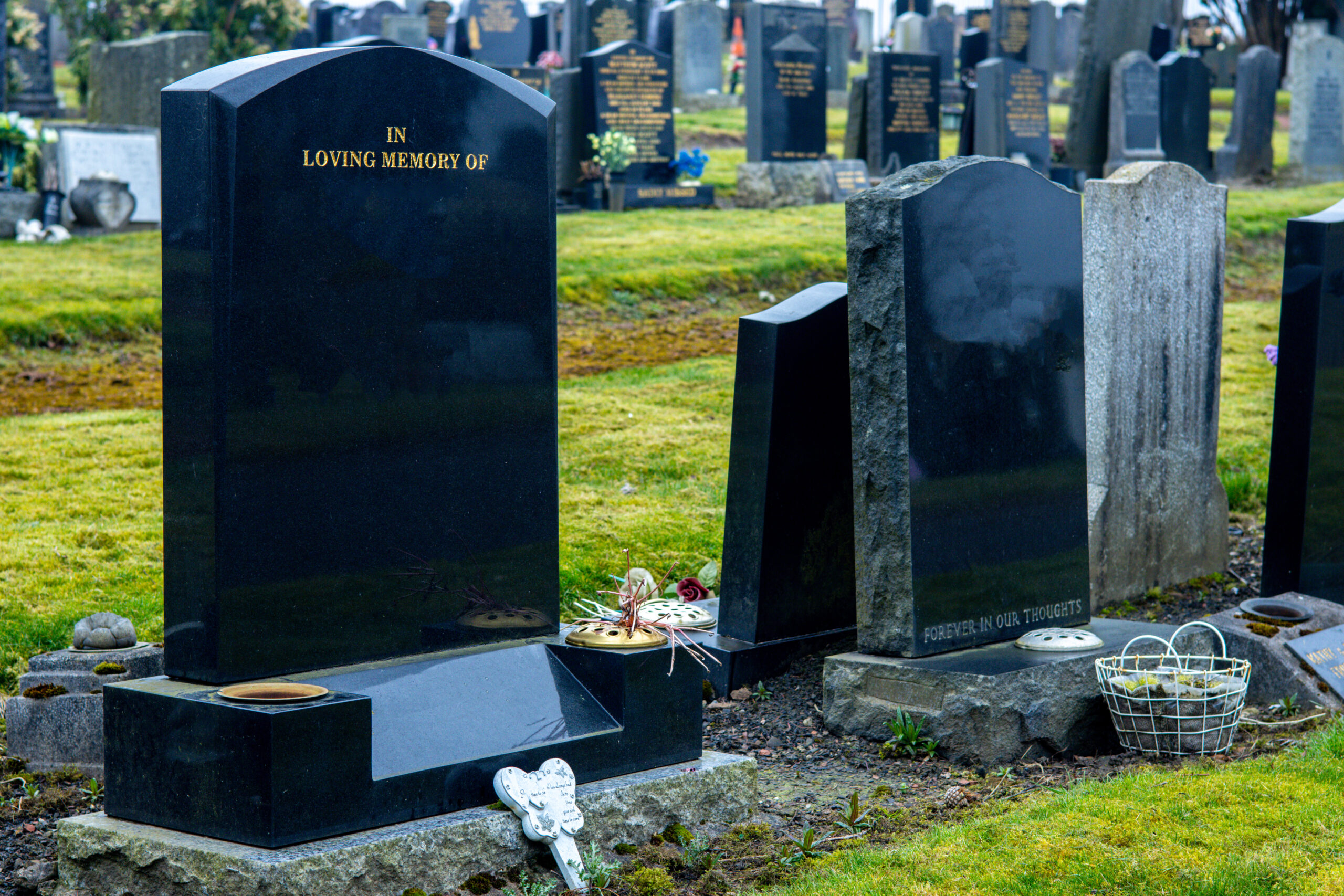
A traditional upright headstone usually consists of a single vertical stone mounted on a base.
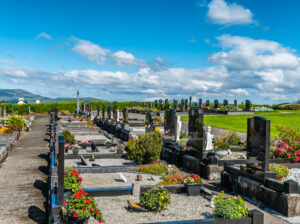
This is one of the most familiar memorial designs found in UK cemeteries and churchyards.
Although the basic structure is simple, upright memorials can vary significantly in shape.
The top may be straight, rounded, arched or shaped into an ogee profile. Shoulders can be square or curved, while borders, carved details and decorative motifs can make the stone more individual.
The main difference from a memorial book is the layout.
An upright headstone generally presents the inscription as one composition across a single surface, whereas the book design naturally divides the memorial into two areas.
This means the same amount of wording can produce a very different visual result depending on which format is chosen.
Which offers more flexibility for inscriptions?
Memorial books can provide an especially useful layout when the wording needs to be clearly divided.
The two-page structure naturally separates different types of information.
For example, one page might include:
- The person’s name and dates
- A short dedication
- A relationship such as “beloved husband” or “loving mother”
The other page could then carry a poem, religious verse, quotation or additional personal message.
This can help prevent a longer inscription from feeling visually crowded.
However, this does not necessarily mean a memorial book always provides more total inscription space.
The shaped centre and sloping page effect can reduce the amount of uninterrupted surface available compared with a broad rectangular upright headstone.
Good design therefore depends on planning.
The wording should be considered alongside the physical memorial rather than written first and forced into the available space later.
Are memorial books good for two people?
They can be particularly suitable for shared memorials.
Because the design is divided into two facing pages, it can naturally accommodate two names and two sets of dates.
Each person may have an individual inscription while the memorial still presents them together.
This can be especially meaningful for couples or close family members.
The pages can also be used asymmetrically.
One person may be commemorated initially, with suitable space deliberately left for a second inscription later.
This possibility should be discussed before the memorial is produced.
Letter size, spacing and ornamentation need to be planned so that the memorial remains balanced after the future inscription is added.
A traditional upright headstone can also commemorate two people successfully, but the arrangement is usually more linear.
Names may appear one below the other or be separated into sections across the same face.
The choice therefore depends partly on whether the family prefers a visibly divided design or a single unified inscription area.
How do the two designs differ visually?
The visual difference is significant.
Traditional upright headstones tend to have a stronger vertical emphasis.
They rise clearly from the base and can create a formal, restrained appearance.
Their simple structure means the stone, inscription and shape tend to be the principal design features.
Memorial books have a more sculptural quality.
The open-book form immediately communicates symbolism before the inscription is even read.
The central divide, shaped pages and angled surfaces create more movement than a flat upright stone.
For some families, this makes the memorial feel more expressive.
For others, the simplicity of an upright headstone may feel more timeless.
The surrounding burial ground can also influence the decision.
A very traditional churchyard may favour relatively restrained upright stones, while a modern cemetery may contain a wider range of shaped memorials.
Which design is more traditional?
The upright headstone is generally the more conventional of the two.
It has a long history in British cemeteries and churchyards and remains one of the most widely recognised forms of grave memorial.
That familiarity can be an advantage.
A simple upright stone often blends naturally into its surroundings and may be easier to adapt to restrictive churchyard regulations.
Memorial books are also established memorial designs rather than a recent innovation, but their shape is more decorative.
They may therefore be more noticeable within a row of conventional upright stones.
Whether that is desirable depends on the family’s priorities.
Some people want a memorial that quietly complements neighbouring stones. Others prefer something with a more distinctive visual identity while still remaining respectful.
Can both designs be personalised?
Yes.
The overall shape is only one part of memorial design.
Both upright headstones and memorial books can be personalised through the choice of stone, lettering, inscription, decorative motifs and potentially photographs or engraved artwork where regulations permit.
A traditional upright headstone can include flowers, crosses, birds, borders, religious symbols or imagery connected with the person’s life.
The simplicity of the shape can actually provide a strong background for these features because there is usually a relatively large uninterrupted surface.
A memorial book can use its two-page structure creatively.
One side might feature lettering while the other contains artwork or a photograph.
Alternatively, decorative features can be incorporated around the edges or across the pages while the inscription remains central.
The important consideration is balance.
Because the book shape already creates strong visual interest, additional ornamentation should normally complement rather than overwhelm it.
What materials can be used?
Both memorial books and traditional upright headstones can be created in different natural stones, subject to the suitability of the material and local regulations.
Granite is a common option because of its durability and wide range of colours.
Dark polished granite can provide strong contrast for engraved lettering and detailed imagery.
Lighter granite can create a softer appearance while retaining the material’s durability.
Marble and other natural stones can provide a more traditional character, particularly where carved details are important.
The material should be considered in relation to the design.
A highly polished granite book memorial can look quite contemporary, while the same basic shape in a lighter natural stone can feel very different.
Similarly, a simple upright stone can range from modern to traditional depending on its colour, finish, shape and lettering.
How does lettering work on a memorial book?
The angled pages of a memorial book mean inscription layout requires particularly careful planning.
Each page should feel balanced in its own right while also working as part of the complete memorial.
The mason may need to consider whether the wording should mirror the layout from one side to the other.
If one page contains considerably more text, the design can appear visually uneven unless the spacing is carefully controlled.
Shorter passages often work particularly well.
Names, dates and a meaningful verse can have greater impact when given enough breathing room.
Decorative elements can also be used to balance areas where less text is required.
With an upright headstone, the inscription is generally easier to treat as one continuous composition.
This can be useful for long dedications or family inscriptions that are intended to read as a single piece of text.
Which is easier to maintain?
Maintenance depends more on the material and finish than on the basic design.
A polished granite memorial book and polished granite upright headstone will generally have similar cleaning requirements.
However, shape can affect where dirt and moisture collect.
A memorial book contains more angled surfaces and a central division between the pages.
Leaves, organic matter and rainwater may therefore settle differently than on a relatively flat upright headstone.
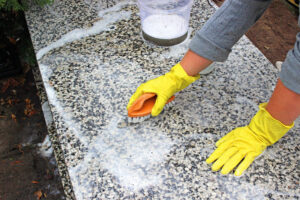
That does not make the design impractical, but it means occasional gentle cleaning may be needed around shaped areas.
The same principle applies to elaborate carved details on any memorial.
More complex surfaces can collect environmental deposits more readily than broad smooth areas.
Regardless of shape, harsh chemicals, abrasive tools and aggressive pressure washing should be avoided because they can damage some stone surfaces and inscriptions.
Are memorial books more expensive than upright headstones?
Price can vary considerably and should not be judged by shape alone.
Several factors affect the cost of a memorial:
- The type and quantity of stone
- The size of the memorial
- The complexity of the shape
- The amount and style of lettering
- Carved or engraved decoration
- Photographs or specialist artwork
- Installation requirements
A simple upright headstone may be less complex to manufacture than a highly shaped memorial book, but an elaborate upright stone with extensive carving could cost more than a relatively straightforward book design.
Families should therefore compare complete memorial specifications rather than assuming that one category is always more or less expensive.
A monumental mason can explain how individual design choices affect the final cost.
What should families check before choosing?
Cemetery and churchyard regulations are crucial.
Not every burial ground accepts every memorial style.
Rules may cover the overall height, width and thickness of the stone as well as its material, finish and decorative details.
Churchyards can be particularly restrictive where the intention is to maintain the historic character of the site.
A memorial book that is suitable for one cemetery may therefore require modification or additional approval in another location.
Checking regulations before finalising the design avoids disappointment and unnecessary redesign work.
It is also useful to think about the immediate surroundings.
Look at nearby memorials and consider whether the chosen stone will complement the character of the section.
This does not mean the new memorial has to copy existing headstones, but context can help determine whether a heavily shaped design or a simpler upright stone feels more appropriate.
Who might prefer a traditional upright headstone?
An upright headstone is likely to appeal to families who value simplicity, familiarity and flexibility.
Its advantages include a clear inscription area and a broad range of possible shapes without changing the fundamental memorial form.
It can work particularly well where:
- A long inscription is required
- A simple and timeless appearance is preferred
- The burial ground has traditional design rules
- Decorative artwork needs a large flat surface
- The family wants the memorial to blend naturally with nearby stones
An upright stone can still be highly personalised.
Traditional does not have to mean generic.
Carefully selected lettering, stone colour, carved decoration and meaningful wording can make a simple memorial distinctive.
Who might prefer a memorial book?
A memorial book is likely to suit families who want a more symbolic or sculptural design.
Its two-page format is particularly useful when different elements need to be separated visually.
It may work well where:
- Two people are being commemorated
- A verse is important to the tribute
- The family wants separate inscription areas
- The symbolism of a book has personal meaning
- A more distinctive memorial shape is preferred
The design can also appeal to families who want to represent the idea of someone’s life story.
This symbolism can be meaningful without needing to be explained directly on the memorial.
Frequently Asked Questions
Can a memorial book be used for a single person?
Yes. Both pages can be used creatively for one person’s memorial. One side might contain their name and dates while the other carries a verse, photograph or decorative feature.
Can another inscription be added to a memorial book later?
Often, provided space has been planned from the beginning. If the memorial is intended to commemorate two people eventually, tell the monumental mason before the first inscription is laid out.
Are memorial books allowed in churchyards?
This depends on the regulations applying to the individual churchyard. Some may permit book-shaped memorials while others favour more conventional upright stones. Approval should always be checked before the design is confirmed.
Both memorial books and traditional upright headstones can provide meaningful and lasting tributes, but they approach memorial design in different ways.
An upright headstone offers a familiar, flexible form with a generous continuous surface for inscriptions and artwork. It can be understated, highly decorative or almost anything in between.
A memorial book introduces stronger symbolism and naturally divides the design into separate areas. This can make it particularly appropriate for shared memorials, verses and layouts where different elements deserve their own space.
The best choice is ultimately the one that suits the person being remembered, the family’s preferred style and the requirements of the burial ground.
Somerville Stone offers memorial books and traditional cemetery headstones as part of its wider memorial range and can help families consider the most suitable material, layout, inscription and decorative details for a personal tribute.
Phone: 02392 824457
Email: info@somervillestone.co.uk
Find out more: https://somervillestone.com/